
Audiobooks make it easy to enjoy books when you’re commuting, exercising, or just multitasking. This guide breaks down the essentials: common file formats, the best apps for different needs, listening habits that boost focus and memory, and what to look for in narration. You’ll learn how format choices affect sound and compatibility, which apps fit different budgets and habits, and practical steps to get more from every listening session. Whether distractions derail your focus or you want to fine-tune your setup, these tips will help you build a more satisfying audiobook routine.
Key Takeaways
● File types like MP3 and AAC influence audio fidelity, device compatibility, and listener preference.
● Streaming is convenient and storage-free; downloads give you reliable, offline access.
● Great audiobook apps include adjustable playback speed, easy bookmarking, and intuitive navigation.
● Audible delivers professionally produced narrations via subscription, while Librivox offers free public-domain recordings read by volunteers.
● Listening in a quiet, comfortable spot improves concentration and recall.
● Active listening—note-taking and pausing to reflect—deepens engagement and retention.
● Different narration styles, from understated to highly dramatic, shape how you experience the story.
● Playback speed lets you tailor pace and comprehension to the material and your comfort level.
● Picking titles by genre, narrator, and user feedback helps you find books you’ll actually enjoy.
What Are the Most Popular Audiobook Formats Explained?
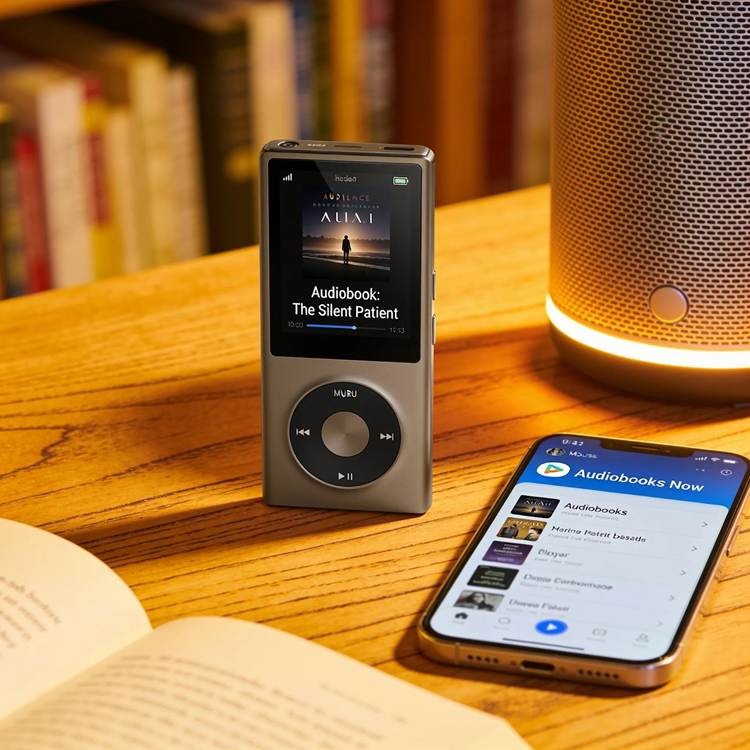
Formats determine how audiobooks sound and where you can play them. MP3, AAC, and streaming are the most common options, each with trade-offs in quality, file size, and device support. Knowing these differences helps you choose versions that match your listening habits and the devices you use most.
How Do MP3 and AAC Formats Affect Audiobook Quality and Compatibility?
MP3 is broadly compatible and will play on almost any device, which makes it a dependable choice. AAC generally delivers cleaner sound at similar bitrates, so it’s often preferred for higher-quality listening. In practice, the best format depends on whether you prioritize universal playback or slightly better audio clarity.
What Are the Benefits of Streaming vs. Downloading Audiobooks?
Streaming gives instant access without eating up storage—handy if you switch devices often or have limited space. Downloading lets you listen offline and avoids interruptions when your connection drops. Choose streaming for convenience; download if you need reliability or are often offline.
Which Are the Best Audiobook Apps for Different Listener Needs?
Different apps serve different priorities—library size, price, usability, and extras like sleep timers or speed controls. Think about how you listen: do you want curated recommendations, the lowest cost, or a community-driven catalog? Matching an app to your habits makes discovery and listening smoother.
Once you understand audiobook formats, the next step is choosing the right platform. The app you use can significantly influence your listening experience, from discovering new titles to managing your personal library and tracking progress.
What Features Should You Look for in an Audiobook Player App?
Look for adjustable playback speed, easy bookmarking, chapter navigation, and a clean interface that makes switching books painless. Offline downloading, cross-device syncing, and clear library organization are also helpful—especially if you juggle multiple devices or a large collection.
How Do Popular Apps Like Audible and Librivox Compare?
Audible focuses on professionally produced titles and exclusive releases under a subscription model. Librivox is a free resource of public-domain works read by volunteers, so quality and formats vary. If you want polished, wide-ranging choices and don’t mind paying, Audible is strong; for budget-friendly classics and exploration, Librivox is invaluable.
Finding the right audiobook is only part of the experience. Developing effective listening habits can help you stay engaged with the material and gain more value from every session, whether you’re enjoying fiction, biographies, or educational content.
What Are Effective Audiobook Listening Strategies to Enhance Focus?
Listening actively instead of passively helps you remember more and enjoy the story. Small routines—preset listening times, note-taking, or short listening goals—turn audiobook time into a productive, immersive experience rather than background noise.
How Can Your Listening Environment Improve Audiobook Retention?
A dedicated, low-distraction spot makes a big difference. Comfortable seating, minimal background noise, and the right headphone choice reduce interruptions and let you give the book your attention. Even simple changes, like dimming lights or closing a door, can sharpen focus.
What Techniques Help Maintain Attention During Audiobook Playback?
Try active techniques: pause to summarize sections, jot quick notes, or mark key timestamps. Shorter listening sessions with breaks help prevent drift. Using bookmarks and chapter breaks strategically keeps you oriented and makes revisiting passages easy.
Just as writing style affects how readers connect with a book, narration style shapes the listening experience. A skilled narrator can add emotion, personality, and depth that enhances the author’s original work.
Which Audio Narration Techniques Influence Listening Enjoyment?

Narration shapes how a story lands—tone, pacing, and character voices all guide your experience. A narrator’s choices can heighten emotion, clarify complex passages, or simply make a long listen more enjoyable. Paying attention to narration style helps you pick books that match your taste.
How Do Different Narration Styles Affect Your Audiobook Experience?
A dramatic delivery can make fiction feel cinematic, while a straight

forward read often suits nonfiction or dense material. Some listeners prefer expressive performances for fiction and restrained, clear narration for informational books. Matching style to content and your listening goals improves satisfaction.
Who Are Notable Narrators and What Makes Their Style Effective?
Certain narrators stand out for their timing, tone, and ability to inhabit characters—skills that turn a good book into a great listening experience. Performers like Jim Dale or Kate Winslet are praised for bringing nuance and energy to their readings, which helps listeners connect more deeply with the story.
For many listeners, audiobooks are more than entertainment. They are a way to learn new concepts, explore different perspectives, and enjoy literature while managing busy schedules. Improving comprehension helps ensure those experiences remain meaningful and memorable.
How Can You Improve Audiobook Comprehension and Retention?
Improving comprehension means engaging repeatedly and deliberately. Combine playback controls, short reviews, and active reflection to reinforce key points and make the material stick. Small habits compound into significantly better recall over time.
What Are Proven Techniques to Enhance Listening Comprehension?
Re-listening to tricky sections, taking concise notes, and breaking complex ideas into shorter segments all help. Summarizing chapters aloud or in writing solidifies understanding, while frequent pauses let you process and integrate new information.
How Does Playback Speed Control Affect Understanding and Enjoyment?
Speed control is a powerful personalization tool. Faster speeds work well for familiar material or light fiction, while slowing down helps with unfamiliar topics or dense prose. Experiment until you find a pace that keeps you engaged without sacrificing clarity.
What Are Common FAQs About Audiobook Listening Tips?
New listeners often have similar questions about choosing titles, avoiding distractions, and getting the most from playback features. The answers below cover the essentials and point you to practical next steps.
How Do You Choose the Right Audiobook for Your Preferences?
Start with what you already enjoy—genres, authors, and formats. Listen to a sample first and read user reviews to check pacing and narration style. If narration matters to you, prioritize excerpts or narrator credits before committing to a full listen.
What Are Tips to Avoid Distractions While Listening?
Set aside focused listening time, turn on Do Not Disturb, and pick a comfortable spot. Shorter sessions and active tasks like note-taking or following along with an ebook can also keep your attention anchored to the story.
Frequently Asked Questions
What should I consider when selecting an audiobook?
Focus on your interests and how you like to listen. Choose a genre you enjoy, sample the narrator’s voice, and check ratings or reviews for pacing and production quality. Listening to a preview can save time and ensure the narrator’s style fits your preference.
Are there any audiobooks specifically designed for learning languages?
Yes. Language-learning audiobooks and courses emphasize pronunciation, repetition, and conversational dialogues. Programs like Pimsleur and Rosetta Stone use audio-first lessons, and many libraries or language publishers offer targeted content that pairs well with practice activities.
What are the advantages of listening to audiobooks over reading traditional books?
Audiobooks let you use time that would otherwise be unproductive—during commutes, workouts, or chores. They can bring stories to life through performance and make dense material more accessible. For some listeners, audio is simply more comfortable than reading on the eyes.
How can I find audiobooks that match my interests?
Search curated lists on major platforms, use genre filters, and follow reader communities or reviewers. Recommendations from friends, book clubs, or social feeds often uncover great finds, and sampler clips help you vet narration before committing.
Can I listen to audiobooks on multiple devices?
Yes—most services sync playback across devices so you can pick up where you left off. Downloading for offline play is a useful backup when you expect limited connectivity. Make sure your chosen app supports cross-device syncing and downloads.
How can I track my audiobook progress?
Modern apps clearly show time remaining per chapter and for the whole book, and many let you add bookmarks or notes. Use listening histories and bookmarks to keep track of what you’ve finished and what to return to next.
Conclusion
Audiobooks provide a convenient and engaging way to experience books in today’s fast-paced world. By choosing the right apps, understanding audio formats, developing effective listening habits, and finding narrators you enjoy, you can create a richer and more rewarding audiobook experience.
At Prizm Books, we believe that reading should be accessible in whatever format works best for each individual. Whether you enjoy physical books, eBooks, or audiobooks, every format offers new opportunities to learn, explore, and connect with ideas that inspire growth and curiosity.