

Revising is where good writing becomes great. Bringing outside perspectives into your drafts uncovers blind spots, sharpens clarity, and strengthens your argument. This article explains how different kinds of reviews and simple techniques for handling feedback can make your editing more effective—so each revision moves you closer to a confident, finished piece. We’ll walk through review types, practical ways to apply critiques, case examples, and tools that help you collect and manage feedback.
Key Takeaways
● Peer reviews highlight structural and coherence problems that authors often miss.
● Reader feedback reveals how your audience actually experiences the text, flagging unclear or disengaging parts.
● Set clear revision goals, sort critiques by type, and use checklists to make feedback actionable.
● Systematic editorial changes improve sentence flow, consistency, and tone alignment.
● Techniques like staged revisions, reflection, and asking for clarification lead to better outcomes.
● Case studies show that regular, consistent use of feedback accelerates improvement.
● User-driven platforms and AI tools streamline collecting and organizing diverse responses.
● Overcoming resistance means viewing critiques as opportunities to grow, not personal attacks.
● Prioritizing and categorizing feedback helps resolve conflicts and reduce overwhelm.
What Are the Key Types of Reviews That Enhance Revision Quality?
Knowing which review to use—and when—makes revisions more efficient. Two review types consistently boost draft quality: peer reviews, which scrutinize craft and structure, and reader feedback, which tests clarity and engagement. Both bring distinct, useful perspectives to the revision table.
How Do Peer Reviews Contribute to Writing Improvement?

Peer reviews pair your work with fellow writers who can spot structural weaknesses, logical gaps, and inconsistencies in voice. Because peers understand craft, they often suggest changes that improve pacing, organization, and clarity—details the original author might overlook.
Why Is Reader Feedback Essential for Effective Revisions?
Reader feedback shows how your intended audience actually reads and responds to your piece. It exposes unclear passages, points of confusion, and sections that fail to engage. Use this insight to tighten language, refocus examples, and adjust tone so your writing connects more reliably with readers.
How Reader Review Platforms Strengthen the Revision Process
Gathering feedback from real readers is often one of the most valuable stages of revision. Beyond professional editing, reader reviews reveal how audiences interpret characters, pacing, clarity, and emotional impact.
Platforms like Prizm Books help authors connect with readers, collect feedback, and identify recurring themes in reviews. When multiple readers point out similar concerns or highlight the same strengths, authors gain actionable insights that can guide meaningful revisions before publication or future editions.
Which Techniques Best Incorporate Feedback for Successful Revisions?
Turning feedback into meaningful change requires structure. Adopting a few consistent techniques helps you process critiques without getting overwhelmed and ensures edits serve the piece’s goals.
● Establish Clear Goals: Define what you want each revision to achieve—clarity, stronger argumentation, tighter structure—so edits serve a purpose.
● Categorize Feedback: Separate comments into categories like structure, evidence, clarity, and copyediting to prioritize work and avoid scattered changes.
● Utilize Checklists: Keep a checklist of recurring issues to track fixes across drafts and prevent the same problems from returning.
These steps keep revisions focused and make it easier to measure progress.
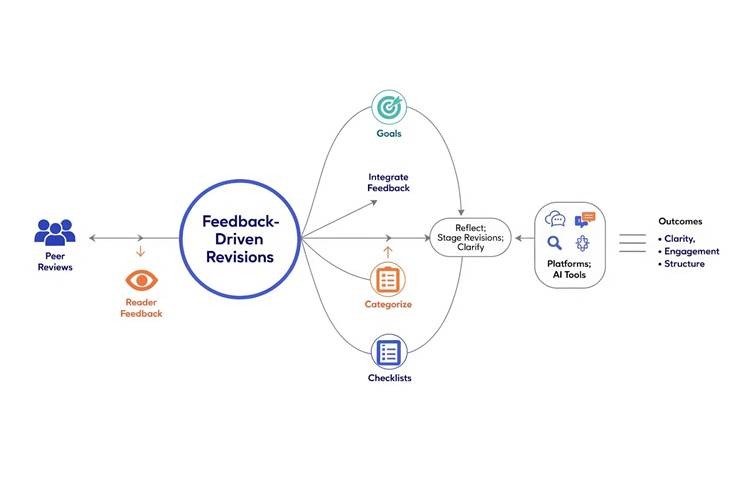
They also help you use critiques more productively, turning comments into concrete edits.
How Can Editorial Feedback Be Integrated Into the Revision Process?
Editorial feedback should be approached systematically: review suggestions, test how each change affects the piece, and apply edits that support your core goals. Keep a running list of editorial fixes—grammar, phrasing, consistency—and address them in batches so edits are coherent and purposeful.
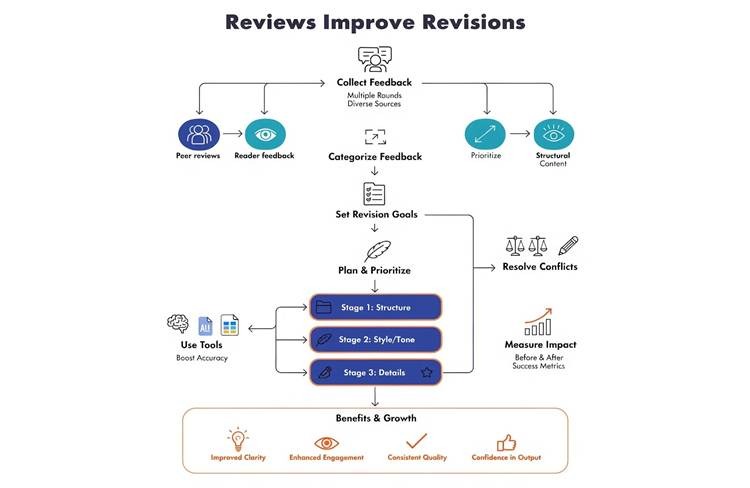
When integrated thoughtfully, editorial notes refine tone, tighten sentences, and polish the final draft without erasing the author’s voice.
What Are Practical Strategies to Use Critiques to Enhance Writing?
Practical approaches turn feedback into clear improvements. Try these:
● Reflect on Feedback: Pause to understand recommendations before you edit—this prevents knee-jerk changes that can harm the piece.
● Apply Feedback in Stages: Tackle structural issues first, then move to paragraph- and sentence-level edits to keep the revision process manageable.
● Seek Clarification When Needed: If a comment is vague, ask the reviewer for examples or specifics so you can act confidently on their advice.
Using these strategies yields cleaner, more confident revisions.
How Do Case Studies Demonstrate the Impact of Reviews on Revisions?
Concrete examples show how feedback changes work in practice. Case studies typically track drafts across rounds of review and reveal measurable gains in clarity, flow, and reader engagement when feedback is applied consistently.
Which Examples Show Reader Feedback Improving Draft Quality?
Studies comparing audience-informed revisions with unreviewed drafts consistently find that audience-driven changes raise clarity and engagement. When writers incorporate reader suggestions—especially about confusing or off-topic sections—the resulting drafts perform better with real readers.
Many authors find that patterns in reader reviews are more valuable than individual comments. A single opinion may be subjective, but repeated feedback often highlights genuine opportunities for improvement. Communities such as Prizm Books allow authors to observe these patterns and better understand how readers engage with their work.
What Lessons Do Peer Review Success Stories Provide?
Success stories from peer review often emphasize consistency: writers who systematically apply peer suggestions tend to improve faster. The shared theme is deliberate practice—regularly responding to thoughtful critiques speeds craft development.
Using Reader Reviews to Create a Revision Roadmap
One of the biggest challenges writers face is deciding which feedback deserves attention. Creating a revision roadmap helps prioritize changes based on recurring reader comments, editorial recommendations, and project goals.
Digital reading communities and review platforms make this process easier by organizing reader responses in one place. Prizm Books helps authors identify common themes in reviews, making it simpler to distinguish isolated opinions from widespread reader concerns. This structured approach allows writers to focus revisions where they will have the greatest impact.
What Tools and Platforms Facilitate Collecting and Managing Reviews?
Today’s tools make feedback easier to gather, sort, and act on. From collaborative editors to dedicated feedback platforms and AI assistants, the right tech can centralize comments and help you prioritize the most impactful changes.
Which User-Generated Feedback Platforms Support Revision Workflow?
Platforms that enable real-time commenting, version tracking, and threaded discussions help keep feedback organized. Use these tools to collect diverse perspectives, assign priorities, and preserve context so reviewer comments remain actionable across drafts.
How Do AI-Assisted Tools Enhance Feedback-Driven Revision Processes?

AI tools can highlight clarity issues, suggest rephrasing, and surface patterns in reader responses, helping you triage revisions. Use AI as a diagnostic aid—pair its suggestions with human judgment to keep your voice intact while improving readability.
What Are Common Challenges in Feedback-Driven Editing and How Are They Solved?
Feedback is invaluable but not always easy to use. Common problems include emotional resistance, conflicting suggestions, and overload. Simple systems help you respond constructively and keep revisions productive.
How Can Writers Overcome Resistance to Critiques During Revision?
Change your relationship to critique: treat it as data about the draft, not a judgment of you. Take time to process comments, identify useful patterns, and remind yourself that thoughtful revisions strengthen the work, not weaken the author.
What Solutions Improve Managing Conflicting or Overwhelming Reviews?
Prioritize feedback by relevance to your goals and the piece’s main problems. Categorize suggestions (e.g., vital, optional, stylistic) and address high-impact changes first. This approach reduces confusion and keeps revisions intentional.
How Does Reader Feedback Specifically Improve the Editing and Revision Process?
Reader comments give you direct signals about how content lands. They spotlight confusing phrases, weak transitions, and moments that either engage or lose attention—information you can use to tune the piece for real readers.
What Are the Direct Benefits of Reader Comments for Revision Quality?
Reader comments help you identify unclear passages, refine examples, and confirm which sections connect emotionally or intellectually. These insights let you shape revisions that improve comprehension and engagement.
Why Is Qualitative Feedback Analysis Critical for Effective Improvements?
Digging into qualitative feedback reveals recurring themes and the underlying reasons readers react a certain way. Analyzing comments—rather than treating them as isolated notes—helps you make targeted changes that address the root issues.
Frequently Asked Questions
What Are the Most Effective Methods for Gathering Peer Feedback?
Run structured sessions where peers read and discuss a draft, or use collaboration tools for in-document comments. Give reviewers clear questions or focus areas to guide their responses—this yields more useful, actionable feedback.
How Can Writers Interpret Negative Feedback Constructively?
View negative feedback as diagnostic information. Ask what the reviewer experienced and why, then decide which suggestions align with your goals. If a comment feels personal or unclear, request examples so you can respond practically.
What Role Does Timing Play in Receiving Feedback?
Timing matters: request feedback when main ideas and structure are in place but still changeable. Early feedback can prevent wasted effort; too early or too late in the process limits usefulness.
Are There Specific Techniques to Encourage Honest Feedback from Readers?
Create a safe, specific environment for feedback—offer prompts, allow anonymity when helpful, and explain how you’ll use comments. Clear instructions and gratitude encourage candid, helpful responses.
How Can Visual Elements Be Incorporated into Feedback Processes?
Use outlines, diagrams, and annotated screenshots to show structure and argument flow. Visuals help reviewers spot gaps and connections quickly, making critique more precise and actionable.
What Are the Long-Term Benefits of Regularly Incorporating Feedback?
Regularly using feedback trains you to spot recurring issues, improves revision habits, and builds confidence. Over time, this iterative practice strengthens both individual projects and your overall writing skill.
Conclusion
Feedback is one of the most powerful tools a writer can use to improve their work. Whether it comes from editors, peers, beta readers, or published reviews, each perspective offers valuable insight into how a piece is received by its audience.
By combining structured revision techniques with reader feedback, writers can make more informed decisions and produce stronger drafts. Platforms like Prizm Books further support this process by helping authors gather, analyze, and learn from reader reviews, turning audience responses into meaningful improvements for future editions and new projects.


