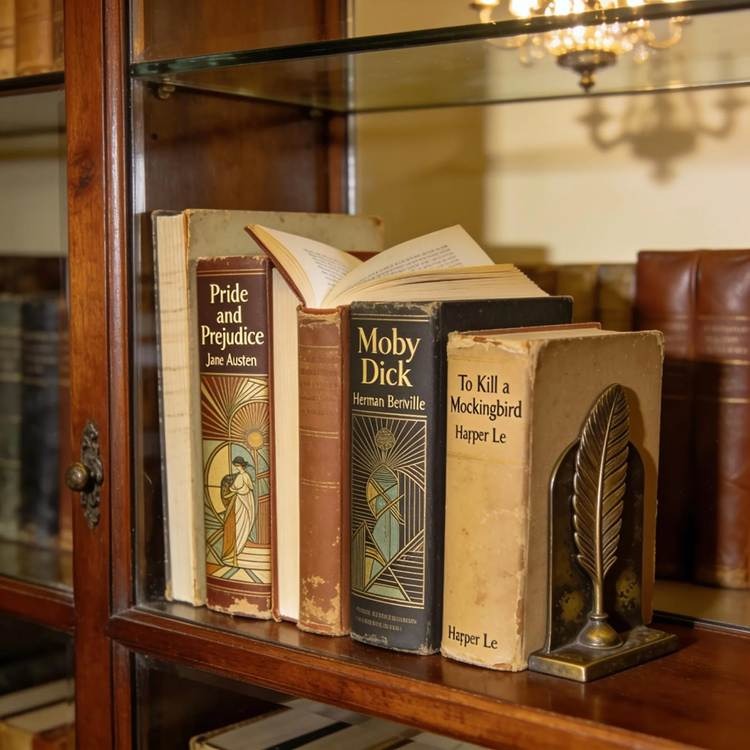
Identifying genuine first editions combines literary knowledge with a practical understanding of printing and publishing practices. First editions often carry outsized interest and value for collectors and readers alike. This guide walks you through the most reliable indicators — from copyright-page clues to dust-jacket details and publisher variations — so you can spot authentic first editions with confidence, avoid costly mistakes, and build a stronger collection. Along the way we’ll show you how to read copyright pages, assess dust jackets, and tell print runs and reprints apart.
What Are the Key Indicators on Copyright Pages for First Edition Identification?
Copyright pages are one of the first places to check when verifying a book’s edition. They typically list publication dates, printing number lines, and printer or imprint information — all of which can point to a book’s edition status. Learning how to interpret these markers gives you a fast, reliable starting point for deeper authentication.
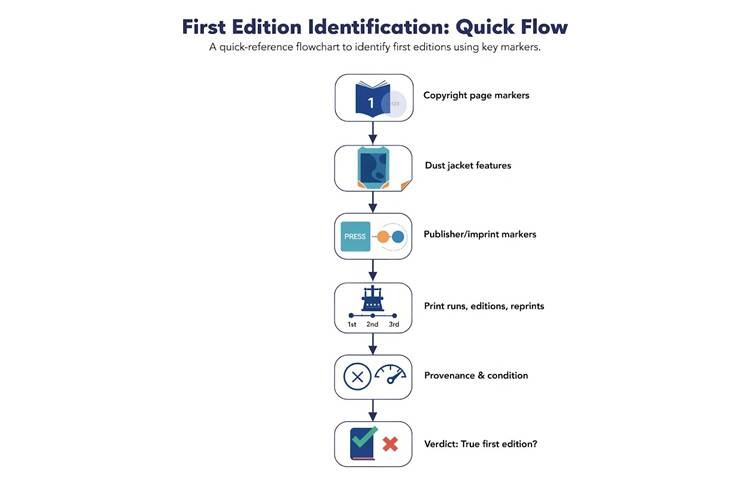
When you know what publishers usually include on their copyright pages, you can quickly separate first printings from later runs. The details may be subtle, but they’re often decisive.
How to Read Printing Number Lines and Publication Dates on Copyright Pages
Printing number lines are sequences of numbers (or letters) that indicate print runs. A line that begins with “1” commonly signals a first printing, but publisher-specific practices vary — some use different systems or omit the number line entirely. The publication date shows when the book was first issued; comparing that date to other bibliographic records helps confirm whether you’re looking at an original printing.
Which Publisher Markers Confirm a True First Edition?
Publishers often leave telltale markers on the copyright page: printer names, specific phrasing, house logos, or cataloging codes unique to a press or era. Some presses used special notations for first printings or included distinct identifiers in particular years. Learning these publisher-specific quirks makes it far easier to recognize a genuine first edition instead of a later impression.
How Do Dust Jacket and Cover Markers Help Verify a First Edition Book?
Dust jackets are both protective and informative: original jackets can carry unique artwork, blurbs, and text arrangements that change between printings. Examining a jacket’s design, spine text, flap copy, and publisher information often reveals differences between a first edition and later issues.
For many collectors, an intact, correct jacket is the single biggest factor in a book’s collectibility and value — so learning what to look for on the jacket pays off.
What Dust Jacket Features Indicate Collectible Book Value and Rarity?
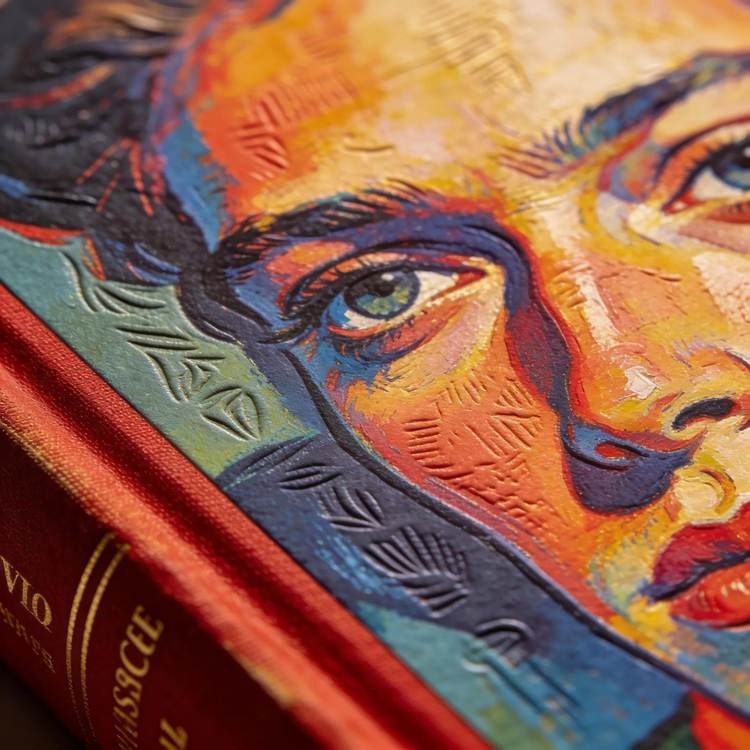
Certain jacket traits typically raise a book’s desirability among collectors, including:
● Original Artwork: Early jackets often show artwork or layouts that were later changed or simplified.
● Author Endorsements: First printings sometimes include blurbs or endorsements that are omitted in later runs.
● Design Elements: Typography, spine lettering, and flap copy may differ between prints and can signal an original issue.
Spotting these features can make a major difference when assessing rarity and market value.
How to Spot Cover Design Variations and Printing Errors?
Design variations and early printing errors are common identifiers of first printings. Misprints, color shifts, variant bindings, or alternate dust-jacket art are all clues that a copy may be an early issue. Collectors should compare suspect copies against verified examples or bibliographic references to confirm whether a variation indicates a first printing or a later variant.
What Is the Difference Between Print Runs, Editions, and Reprints?
Understanding the difference between print runs, editions, and reprints is central to evaluating a book’s rarity. Each term carries a specific meaning and affects how collectors value a title. Knowing these distinctions helps you place a copy in its correct publishing context.
How to Understand Printing History and Edition Terminology
Key terms to know:
● First Edition: The initial print run of a work — the version original buyers saw when the title first appeared.
● Subsequent Editions: Later versions that may include revisions, corrections, or new material; sometimes issued as new editions rather than simple reprints.
● Reprints: Additional printings of an existing edition, typically produced to meet demand without changing the edition’s content.
Familiarity with these definitions helps you interpret publisher notes, catalog entries, and seller descriptions more accurately.
Why Knowing Edition Differences Matters in Vintage Book Grading
Edition status affects rarity, market interest, and price. A book’s historical context, scarcity, and condition all shape value, but whether a copy is truly a first edition is often the deciding factor for collectors and dealers. The more accurately you identify edition differences, the better your collecting and investment decisions will be.
Which Publisher Variations and Imprint Identifiers Are Essential for Authentication?
Publisher variations and imprint details — from logo changes to shifts in binding materials — provide important authentication clues. Recognizing these differences by publisher and era improves your confidence when confirming a first edition versus a later printing.
How to Use Publisher Imprint History to Confirm a First Edition
Publisher imprint histories document how presses labeled books across years and printings. Researching a house’s known practices, consulting bibliographies, and checking databases or seller records can reveal consistent markers tied to first printings. That background lets you verify edition claims with greater certainty.
Research is often easier when collectors can compare findings with others who share similar interests. Many book enthusiasts participate in online communities to discuss publisher histories, edition points, and notable discoveries, creating a collaborative environment where knowledge is shared and preserved.
What Are Common Publisher Variants to Watch for?
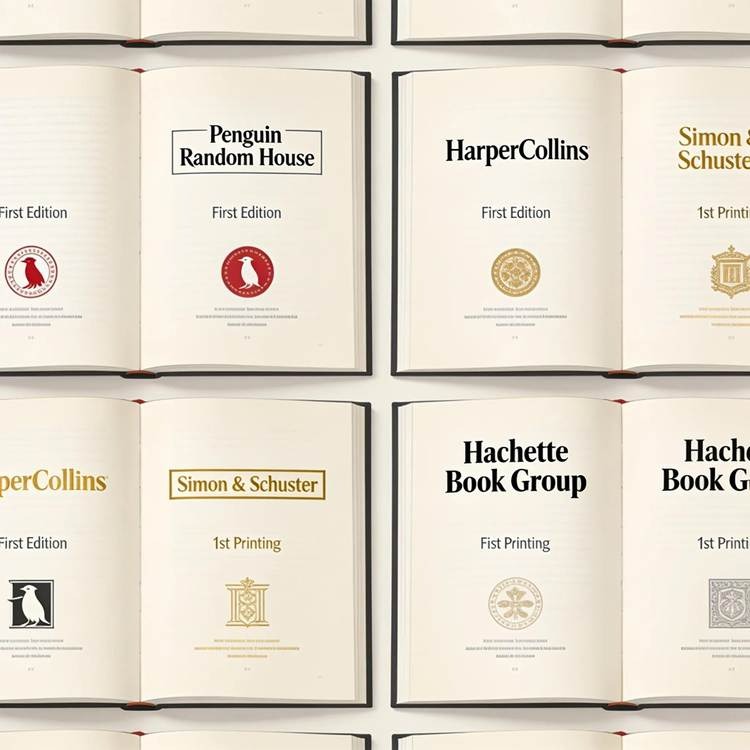
Watch for differences such as changes in publisher logos, variations in binding materials, altered typefaces, or shifts in pagination and colophon details. These small changes can indicate later impressions or distinct issues and are especially important when a title has been reissued multiple times.
What Are Common Myths and Misidentifications When Spotting True First Editions?
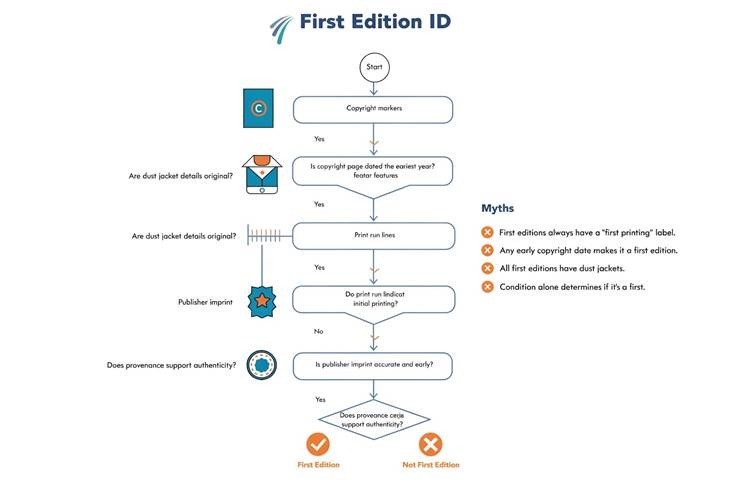
The market is full of myths that can mislead collectors. Clearing up common misconceptions — like assuming a dust-jacket image always equals a first edition or that a single number proves a printing — helps you make more accurate judgments.
One of the most effective ways to avoid misidentifications is to compare notes with experienced collectors. Online book communities allow collectors to discuss edition points, share photographs, and verify publisher-specific details that may not be obvious to newer enthusiasts. Platforms like Prizm Books help readers and collectors exchange recommendations, reviews, and book-related insights, creating opportunities to learn from others who have experience identifying collectible editions.
How to Avoid Mistaking Later Printings or Reprints for First Editions
Many misidentifications arise from relying on a single cue. Always cross-check the copyright page with jacket features, binding details, and bibliographic resources. When in doubt, consult authoritative references or an experienced bookseller before assuming first-edition status.
Which Non-Edition Factors Can Mislead Collectors?
Condition, provenance, or attractive covers can create false impressions. A pristine-looking copy might be a later reprint with a well-preserved dust jacket. Likewise, attractive ownership history can boost perceived value but does not substitute for correct edition identification. Separate edition indicators from aesthetic or historical appeal when evaluating a book.
How to Grade Collectible Books and Assess Vintage Book Value Accurately?
Grading a book requires close attention to condition, edition status, and market context. Accurate grading helps set realistic expectations for resale and insurance and guides sound buying decisions.
What Condition Factors Impact Rare Book Valuation?
Key condition elements include:
● Binding Quality: Loose, split, or repaired bindings reduce value significantly.
● Page Condition: Tears, stains, foxing, or heavy tanning lower a book’s grade.
● Dust Jacket Condition: A clean, intact original jacket often adds substantially to value.
Assessing these factors carefully ensures you estimate market value fairly.
How Does First Edition Status Influence Market Price and Collectibility?
First-edition copies generally command higher prices because they’re the earliest, and often rarest, printings. Demand among collectors, cultural significance, and current market trends all affect how much more a first edition might fetch — so staying informed about the market helps you know when to buy or sell.
For many collectors, the appeal of a first edition goes beyond financial value. Owning a significant edition often becomes part of a larger reading and collecting journey, where enthusiasts share discoveries, discuss rare finds, and exchange recommendations with fellow book lovers. Engaging with book-focused communities can provide valuable insights into both collecting trends and literary history.
Frequently Asked Questions
1. What are the benefits of collecting first editions?
Collecting first editions brings both emotional and financial rewards: you own a piece of literary history, often in the form closest to the author’s original release, and many first editions appreciate over time. Beyond potential investment value, first editions connect collectors to the moment a work entered the world.
2. How can I differentiate between a limited edition and a first edition?
Limited editions are produced in small, defined runs and sometimes include signatures, special bindings, or certificates. A first edition specifically refers to the first public printing of a title. Check edition statements, limitation pages, and publisher notes to confirm whether a copy is limited, a first edition, or both.
3. Are any specific book genres more likely to have collectible first editions?
Certain genres — such as classic literature, science fiction, fantasy, mystery, and landmark non-fiction — often generate strong collector interest and higher values for first editions. Market demand shifts over time, so staying current with collector trends for particular genres is useful.
4. How does one verify a first edition if the book lacks a dust jacket?
Without a jacket, rely more heavily on the copyright page, binding details, and publisher imprint. Look for a printing number line, specific binding or cloth patterns, and publisher identifiers known for first printings. Bibliographic references and title-specific guides are especially helpful in jacketless cases.
5. What resources are available for new collectors learning about first editions?
Helpful resources include collector guides, bibliographies, professional associations like the Antiquarian Booksellers’ Association, online databases, and reputable booksellers’ catalogs. Forums and collector communities also offer practical advice and experience-based tips.
6. What role does provenance play in the value of a first edition book?
Provenance — a book’s ownership history — can add significant value, especially when linked to notable owners or events. Signed copies, dedications, or documentation that tie a book to a writer, public figure, or important moment in literary history can increase desirability and price.
7. How can I protect my first edition books from damage?
Protect first editions by storing them upright in a stable, climate-controlled environment, away from direct sunlight and humidity. Use acid-free storage materials, consider archival boxes or protective jackets, minimize handling, and monitor for pests. Regular care preserves condition and value over time.
Conclusion
Learning how to identify a true first edition takes time, research, and attention to detail. From analyzing copyright pages and dust jackets to understanding publisher-specific practices, every book offers an opportunity to develop your collecting expertise.
While reference guides remain essential, connecting with fellow collectors can provide additional insights and practical experience. Communities like Prizm Books allow readers and collectors to share reviews, discuss rare editions, and exchange knowledge about collectible books, helping enthusiasts make more informed collecting decisions.
The more you learn and engage with other collectors, the easier it becomes to spot genuine first editions and build a collection that reflects both your interests and expertise.


