

Running a book club takes more than picking a title and inviting people over. It’s about guiding conversation, building connection, and creating a space where ideas can thrive. This piece explores professional facilitation for book clubs—why it matters, practical approaches, and how to structure meetings that spark deeper conversation. You’ll learn the facilitator’s core responsibilities, the benefits of skilled leadership, and techniques that make discussions livelier and more inclusive, whether you meet in person or online.
Key Takeaways
● Professional facilitation guides book club discussions to ensure inclusive, meaningful engagement with the text.
● Facilitators act as guides, moderators, and mediators to balance voices and manage group dynamics effectively.
● Skilled facilitation enhances participation, deepens interpretation, and strengthens community bonds within the club.
● Successful meetings require careful planning, including book selection, clear objectives, and structured discussion flow.
● Incorporating themed activities and guest speakers boosts member participation and enriches the discussion experience.
● Effective facilitation techniques include welcoming diverse opinions, asking open-ended questions, and practicing active listening.
● Managing group dynamics involves setting ground rules, intervening gently, and encouraging reflective listening to resolve conflicts.
● Virtual and in-person facilitation differ but both benefit from interactive tools like polls, breakout groups, and feedback sessions.
● Facilitators can improve skills through books, online courses, and networking with other professionals in the field.
What Is Professional Book Club Facilitation and Why Is It Important?
Professional facilitation means steering conversations so everyone feels welcome to contribute, differences are respected, and the group engages meaningfully with the text. When a facilitator knows how to balance voices and focus the discussion, conversations move beyond surface reactions to thoughtful interpretation and insight.
A capable facilitator does more than prompt questions: they read the room, invite quieter members in, and smooth over tensions. That competence boosts member satisfaction and helps the club endure.
As book clubs continue to grow in popularity, many groups are turning to professional services for guidance and structure. Prizm Books helps readers and discussion groups create more meaningful literary experiences by supporting engaging conversations, thoughtful book selections, and well-organized club activities.
Definition and Key Roles of a Book Club Facilitator
A facilitator wears several hats—guide, moderator, and mediator—each essential for a productive, balanced meeting.
● Guide: Keeps the discussion on track with the book at the center, while letting helpful tangents enrich the conversation.
● Moderator: Ensures everyone has space to speak, draws out quieter members, and manages dominant voices tactfully.
● Mediator: When disagreements surface, helps the group navigate them with respect so differing perspectives become learning moments.
Together, these roles help create a safe, engaged, and curious atmosphere around the book.
Benefits of Skilled Facilitation for Group Reading Coordination
Skilled facilitation delivers clear benefits:
● Higher engagement: Thoughtful prompts and fair turn-taking encourage wider participation and investment in the group.
● Richer discussion: Facilitators help move the group from plot summary to interpretation, deepening everyone’s reading experience.
● Stronger community: A welcoming, well-run meeting helps members connect personally, strengthening the club’s sense of belonging.
With intentional facilitation, book clubs stay focused, inclusive, and meaningful.
For clubs looking to move beyond casual discussions, professional support can make a noticeable difference. Through book club services offered by Prizm Books, reading groups can access resources and facilitation strategies that encourage deeper participation and stronger member connections.
How Do You Plan and Organize Successful Book Club Meetings?
Good meetings don’t happen by accident. They come from a clear plan that balances structure with room for discovery. Below is a practical approach to designing sessions that feel purposeful and engaging.
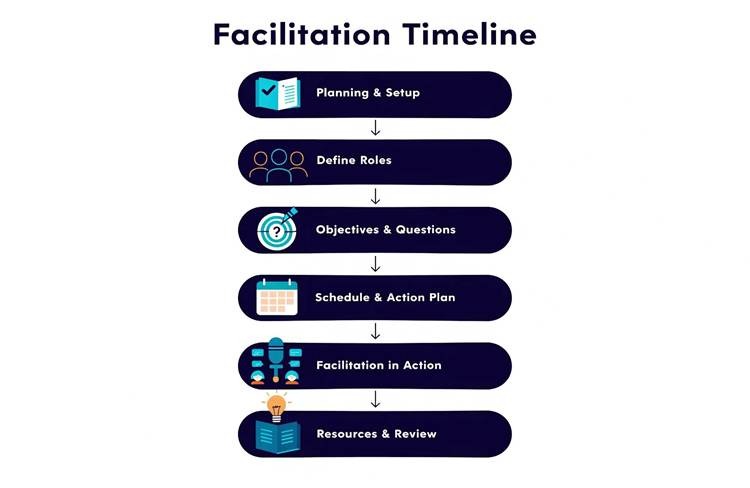
Step-by-Step Guide to Effective Session Planning
● Select a Book: Pick titles that spark curiosity and suit the group’s interests—vary genre and difficulty to keep meetings fresh.
● Set the Objectives: Define what you want the meeting to achieve—theme exploration, character analysis, or practical takeaways.
● Create Discussion Questions: Draft open-ended prompts that invite interpretation and personal connection rather than yes/no answers.
● Schedule and Communicate: Choose a reliable meeting cadence and share materials and prompts in advance so members arrive prepared.
● Develop an Action Plan: Map the meeting flow—intro, main discussion, activities, and feedback—so time feels well used.
Careful preparation helps facilitators run meetings that are lively, efficient, and satisfying.
How to Incorporate Book Club Activity Ideas to Boost Member Participation
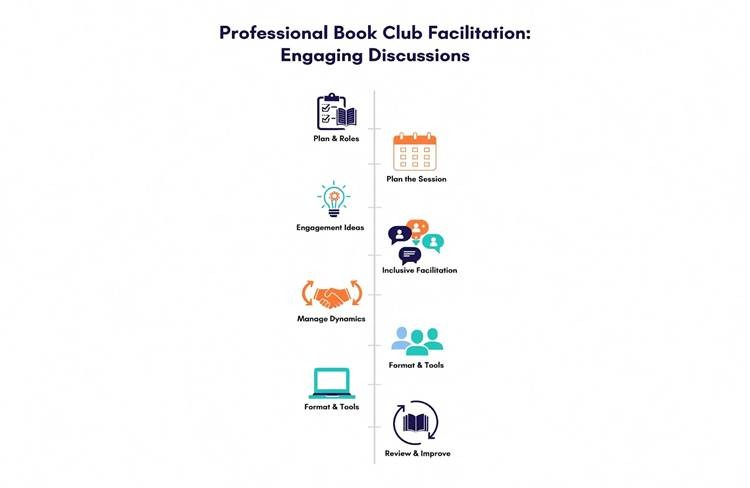
Try activities that invite hands-on participation and spark conversation:
● Theme nights: Match snacks, music, or décor to the book’s setting to deepen atmosphere and prompt fresh observations.
● Guest speakers: Bring in authors or local experts to add context and new angles for discussion.
● Creative projects: Encourage members to respond with art, short writing, or playlists inspired by the book—then share during the meeting.
These approaches build engagement and make meetings more memorable.
Successful book clubs often share one common factor: intentional leadership. Whether discussions are led by a designated member or supported through Prizm Books facilitation services, having a clear structure helps conversations remain focused, inclusive, and rewarding for everyone involved.
What Facilitation Techniques and Strategies Enhance Book Club Discussions?
Effective facilitation relies on a toolkit of techniques that promote fairness, curiosity, and clarity. Below are practical strategies you can use to keep conversations thoughtful and inclusive.
Facilitator Tips for Leading Thoughtful and Inclusive Discussions

To lead with intention, try these strategies:
● Welcome diverse opinions: Invite viewpoints you haven’t heard and ask quieter members what stood out to them.
● Ask open-ended questions: Use prompts that encourage explanation, comparison, and personal response.
● Practice active listening: Reflect and summarize contributions so speakers feel heard and discussions build constructively.
These habits help conversations stay respectful, curious, and rich in insight.
How to Manage Group Dynamics and Resolve Conflicts Effectively
Good group dynamics don’t happen by chance; they’re supported by clear norms and timely intervention:
● Set ground rules: Agree on communication basics—no interruptions, respect for differing viewpoints, and confidentiality if needed.
● Intervene when needed: Step in gently to re-center the group or remind members of agreed norms if discussion becomes heated.
● Encourage reflective listening: Ask participants to summarize others’ points before responding to foster clarity and empathy.
Using these tools keeps the conversation productive and preserves the group’s trust.
As reading communities expand across cities and countries, book clubs are increasingly adopting both virtual and hybrid formats. Prizm Books supports these evolving reading experiences by helping clubs create engaging discussions regardless of where members are located.
How Do Virtual and In-Person Book Club Facilitation Differ?
Each format has strengths and challenges. Knowing how to adapt your approach helps you run effective meetings in both spaces.
Key Tools and Technologies for Virtual Book Club Facilitation

Helpful virtual tools include:
● Video platforms: Zoom, Google Meet, or similar tools keep meetings personal and interactive.
● Shared documents: Google Docs or collaborative notes help capture ideas in real time.
● Pre-shared prompts: Send questions and context ahead of time so members can arrive ready to engage.
The right tech setup helps virtual meetings feel smooth and connected.
Best Practices for Engaging Members in Both Settings
Whether online or in person, these practices boost participation:
● Interactive polls: Quick polls surface group preferences and jumpstart discussion.
● Breakout groups: Small-group conversations—virtual or face-to-face—give quieter members room to speak.
● Feedback sessions: Regularly ask what worked and what could change so meetings evolve with the group’s needs.
These techniques keep members involved and invested across formats.
Continuous improvement is an important part of effective facilitation. Through educational resources, discussion guidance, and reader-focused services, Prizm Books helps book club leaders strengthen their skills and create more valuable experiences for their members.
What Are Common Questions and Resources for Professional Book Club Facilitators?
Facilitators often run into the same practical questions—having a set of go-to resources makes it easier to grow your skills and support your group.
Recommended Tools, Guides, and Case Studies for Facilitators
To develop your facilitation practice, consider:
● Facilitation books: Titles like The Art of Facilitation offer frameworks and techniques you can adapt to book clubs.
● Online courses: Platforms such as Coursera or Udemy host facilitation classes that build both fundamentals and advanced skills.
● Networking: Join forums and local groups where facilitators trade tips, templates, and success stories.
These resources provide practical guidance and inspiration as you refine your approach.
Frequently Asked Questions
What qualities should a good book club facilitator possess?
A strong facilitator communicates clearly, listens closely, and respects differing views. They’re adaptable—able to shift tactics depending on the group—and create a safe space for honest conversation. A genuine love of reading helps, too: it makes questions feel rooted in curiosity rather than technique.
How can I encourage introverted members to participate in discussions?
Invite quieter members in with care: share questions before the meeting so they can prepare, use smaller breakout conversations, or ask for their thoughts directly but gently. One-on-one check-ins or written prompts can also give introverts safer ways to contribute.
What types of books work best for book clubs?
Choose books that prompt conversation—works with layered themes, strong character arcs, or timely issues tend to spark the best talks. Mix fiction and nonfiction and rotate genres to keep the group curious. Above all, pick books your members will be excited to read.
How often should a book club meet for optimal engagement?
Monthly meetings are a popular rhythm: they give members time to read without losing momentum. Some groups opt for bi-weekly meetings if they choose shorter reads or want faster-paced discussions. Match frequency to your members’ availability and attention span.
What are some creative ways to celebrate book club milestones?
Mark milestones with themed gatherings, a favorites roundtable, or lighthearted awards voted on by members. Consider a charity read-a-thon or a community event tied to a book’s theme to create shared purpose and celebrate together.
How can technology enhance the book club experience?
Technology expands connection: video calls bring distant members together, shared docs capture group insights, and social groups keep the conversation alive between meetings. Book-tracking apps and recommendation tools also help with planning future reads.
Conclusion
Skilled facilitation transforms a good book club into a great one—encouraging deeper discussion, stronger relationships, and lasting engagement. With intentional techniques and a bit of planning, any group can make its meetings more inclusive, insightful, and enjoyable. Explore the tools and practices described here to sharpen your facilitation and lift your club’s conversations to the next level.
Looking to create more engaging and meaningful book club discussions? Prizm Books offers resources and support designed to help reading groups foster deeper conversations, stronger community connections, and memorable literary experiences. Whether you’re launching a new club or improving an established one, Prizm Books can help transform every discussion into a more rewarding experience for readers and facilitators alike.


