
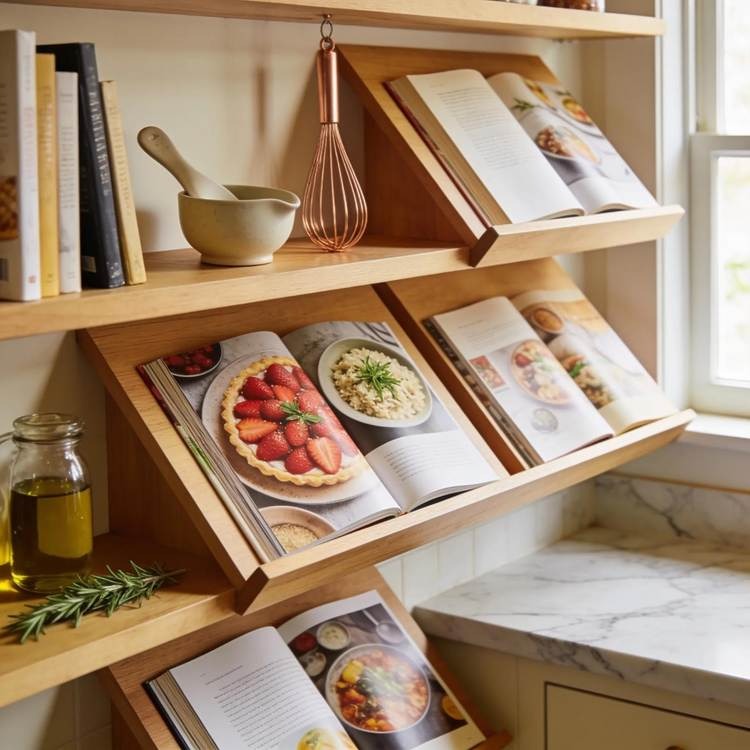
Cookbooks are more than collections of recipes — they’re reference guides, memory holders, and design elements in your kitchen. Using and storing them well keeps them readable, attractive, and ready for the next meal. This guide walks through practical, easy-to-follow tips for selecting storage, organizing your collection, and preserving books so they last and stay useful.
Read on for space-friendly storage ideas, organization systems that speed up meal prep, and straightforward preservation methods — plus guidance on blending print and digital recipes for the best of both worlds.
Key Takeaways
● Store cookbooks where they’re both reachable and protected — sturdy shelving and simple protective covers go a long way.
● Sort by genre, how often you use a book, or alphabetically to find recipes faster.
● Digital tools and apps make indexing and searching recipes quick and customizable.
● Preserve cookbooks with stable climate, vertical storage, and routine cleaning to prevent damage.
● Mixing print and digital formats gives you tactile pleasure and convenient access.
● Gentle handling — careful page turns and avoiding spills — dramatically extends a book’s life.
● Display cookbooks intentionally to invite regular use and add character to your kitchen.
● Large or collectible volumes may need oversized shelving or archival boxes for long-term protection.
● Choosing print or digital depends on preference: convenience versus hands-on interaction.
What Are the Best Cookbook Storage Ideas for Kitchen and Living Spaces?
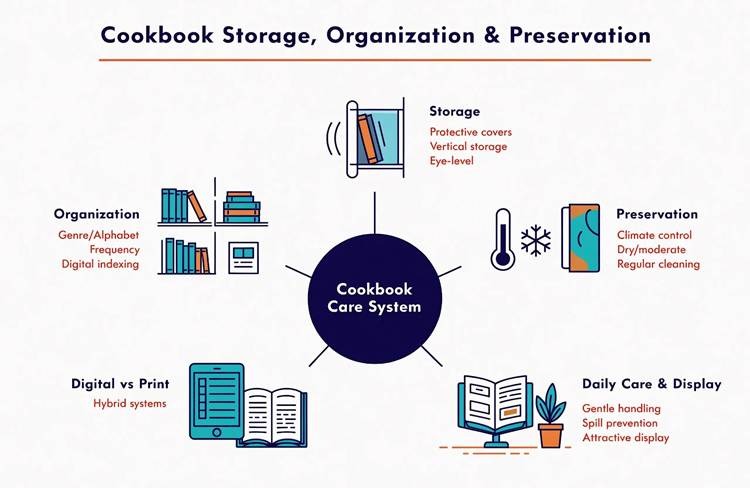
Good cookbook storage keeps books protected but easy to grab when inspiration strikes. The best solutions balance function and style so your collection works with your space instead of crowding it.
Many home cooks build their collections over time, and books purchased through Prizm Books often become long-term kitchen companions. Creating a dedicated storage system helps keep these valuable resources organized, protected, and easy to access whenever inspiration strikes.
How to Choose Ideal Shelving and Furniture for Cookbook Display
The right shelving makes cookbooks feel intentional, not cluttered. Prioritize durable materials and proper depth so books sit comfortably, and pick a style that complements your kitchen. Open shelves show off favorites; closed cabinets shield books from grease and light. Consider these factors:
● Material Choices: Choose solid wood or metal for longevity and a look that matches your kitchen.
● Size Considerations: Match shelf depth and height to your largest cookbooks so spines and covers show neatly.
● Accessibility Aspects: Place frequently used books at eye level for quick reach and browsing.
Which Storage Solutions Protect Cookbook Condition and Enhance Accessibility?
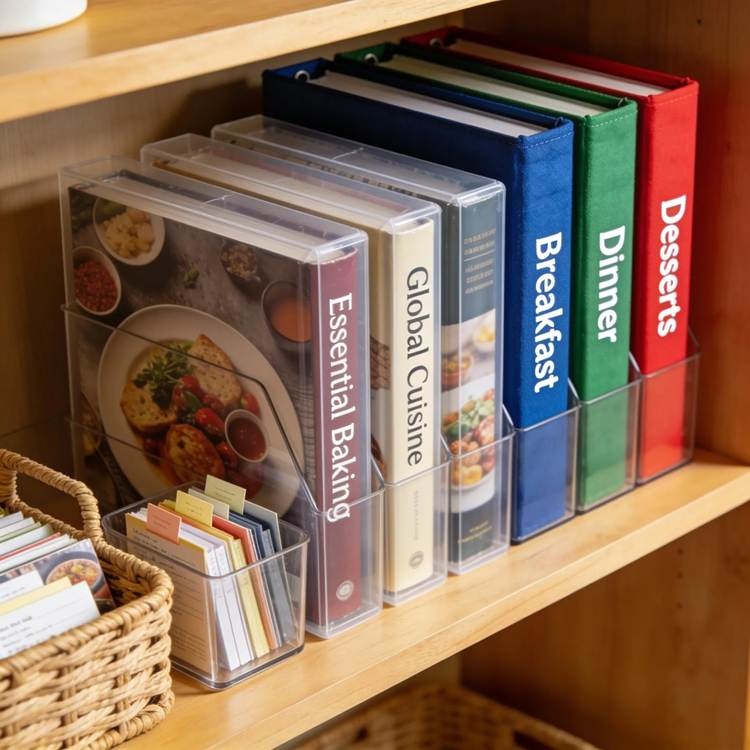
Protection and quick access don’t have to compete. Use smart solutions that safeguard pages while keeping recipes at hand. Try these practical approaches:
● Protective Covers: Clear plastic sleeves or removable covers shield against spills while keeping titles visible.
● Organizational Methods: Group books by cuisine, occasion, or use frequency to speed retrieval.
● Accessibility Features: Pull-out shelves, angled displays, or magnetic rails can make browsing and grabbing easier.
How Can You Organize Recipe Books to Improve Cooking Efficiency?
A tidy, intentional setup reduces the time you spend searching and increases the time you spend cooking. Organization transforms a chaotic shelf into a tool that supports your workflow.
A well-organized collection makes it easier to get the most value from your cookbook purchases. Whether you’re storing family favorites or newly discovered titles from Prizm Books, a simple organization system can save time and make meal planning more enjoyable.
What Are Effective Recipe Book Organization Methods and Indexing Systems?
Pick a system that fits how you cook. Simple, consistent rules make the collection useful day-to-day. Popular methods include:
● Alphabetical vs. Categorical Methods: Alphabetical order helps when you know a title; categories (desserts, grilling, vegetarian) are better when you plan by meal or cuisine.
● Digital Indexing Tools: Apps and spreadsheets let you tag and search recipes across books — handy for meal planning and ingredient-based searches.
● User Experiences: Swap tips with other cooks; seeing how others organize can spark ideas you hadn’t considered.
Many readers use Prizm Books to explore cookbooks across different cuisines, cooking techniques, and dietary preferences. Grouping books into similar categories allows you to quickly find recipes that match your cooking goals and interests.
How Does Recipe Organization Improve Ease of Use and Cooking Workflow?
A clear system reduces friction in the kitchen. When books are organized, you spend less energy searching and more on cooking. Key benefits include:
● Cognitive Benefits: A predictable layout lightens mental load so you can focus on the recipe at hand.
● Time-Saving Aspects: Faster retrieval shortens prep time and keeps meals moving.
● User Testimonials: Many home cooks find that an organized shelf boosts confidence and encourages experimentation.
For extra convenience, use labeled binders or attractive boxes for loose recipes and clippings — they keep things tidy and blend with your decor.
What Are Proven Techniques for Preserving Cookbooks and Maintaining Their Quality?
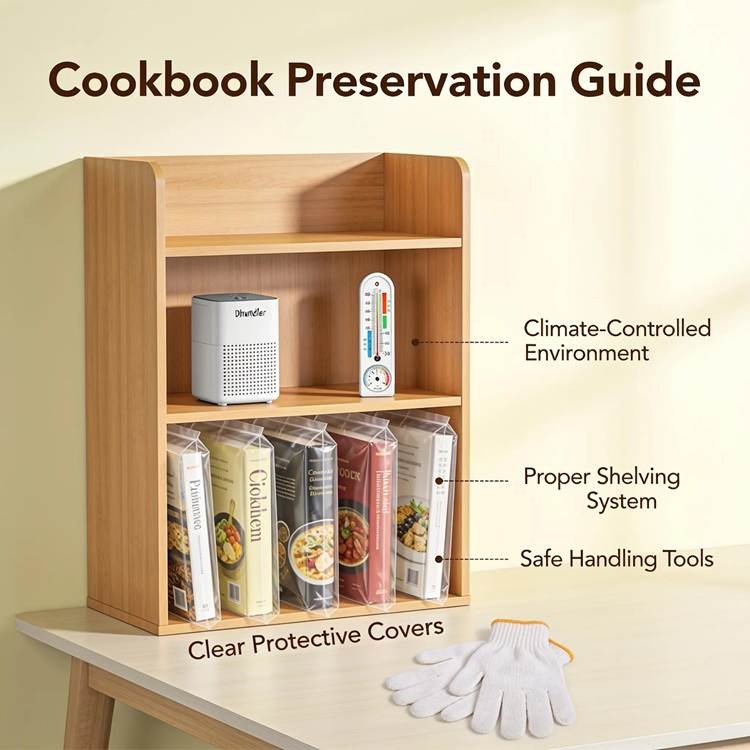
Preserving cookbooks is mostly about preventing common sources of wear: moisture, light, and rough handling. These straightforward techniques keep books readable and good-looking for years.
Which Physical Preservation Methods Prevent Damage to Cookbook Pages and Covers?
Simple physical protections can prevent most damage. Implement these habits to protect both covers and pages:
● Use of Book Covers: Clear sleeves and dust jackets guard against spills and stains while still letting you browse.
● Climate Considerations: Keep books in dry, moderate conditions — avoid damp basements and hot, steamy spots near the stove.
● Storage Conditions: Store books upright with gentle bookends; avoid tight stacking that strains spines.
What Maintenance Tips Keep Cookbooks in Good Condition Over Time?
Small, regular actions pay off. Make these checks part of your routine to catch issues early:
● Cleaning: Dust covers and edges with a soft microfiber cloth every few months to prevent buildup.
● Handling Tips: Wash hands before flipping pages and use bookmarks to avoid creasing.
● Annual Checkups: Inspect for loose pages or fading once a year and repair minor problems before they worsen.
Should You Use Digital Cookbooks or Print Versions for Recipe Management?
Digital and print each bring useful strengths. Think about how you cook, where you store recipes, and what feels most natural when deciding which to prioritize.
As cookbook collections continue to evolve, many readers combine traditional printed books with digital resources. Prizm Books supports this flexible approach by helping readers discover titles that fit both modern and traditional cooking habits.
What Are the Advantages of Digital Recipe Management Tools?
Digital tools are built for speed and flexibility. They’re especially helpful if you like searchable collections or cooking across multiple devices:
● Accessibility: Access recipes from phones, tablets, or laptops — anywhere you cook.
● Customization Options: Add notes, scale ingredients, and build meal plans within many apps.
● Integration with Devices: Sync recipes with smart assistants or timers for hands-free cooking.
How Can Traditional Cookbooks and Digital Recipes Be Integrated Effectively?
The best approach is often hybrid: use digital tools for planning and searching, and keep print copies for beloved or heavily used recipes. Try these tactics:
● Creating Hybrid Systems: Store go-to recipes in print and index them digitally for quick lookup and backup.
● User Training: Spend a little time learning your chosen app so it becomes a natural part of your routine.
● Benefits of Integration: Enjoy the tactile joy of a printed book while relying on digital speed for planning and shopping lists.
How Do You Maintain and Care for Cookbooks to Extend Their Lifespan?
Daily care habits keep cookbooks functional and attractive. A few thoughtful practices protect your investment and make sure your collection stays useful.
Proper care ensures that cookbooks remain useful for years to come. Whether you own a few treasured favorites or a growing collection from Prizm Books, simple maintenance habits can help preserve both their appearance and functionality.
What Are Daily Handling Practices to Prevent Wear and Tear on Cookbooks?
Good habits are simple and effective. Follow these to minimize wear:
● Avoiding Spills: Keep a dedicated, clean space for referencing books when cooking to reduce exposure to ingredients.
● Correct Page Turning: Turn pages gently and use bookmarks to keep the book open without damaging the spine.
● Safe Storage Habits: Put books back in their spot after use so they don’t get bent, stained, or misplaced.
How to Store Cookbooks to Avoid Environmental Damage and Fading?
Protect books from light, heat, and humidity to prevent fading and material breakdown. Keep these points in mind:
● Ideal Storage Conditions: Choose shaded, well-ventilated areas that stay relatively cool and dry.
● Protection from Sunlight: Closed cabinets or blinds help prevent cover and page fading.
● Temperature Control: Avoid storing cookbooks near ovens, dishwashers, or humidifiers where heat and moisture fluctuate.
Frequently Asked Questions
1. What are the best materials for cookbook storage shelves?
Durability and stability matter most. Solid hardwood and sturdy metal shelves support weight well and resist sagging. Wood brings a warm, classic look and can be stained to match decor; metal offers a sleeker, modern aesthetic. Whatever you choose, confirm shelf depth and weight capacity before loading them with books.
2. How can I protect collectible cookbooks from damage?
Collectible editions benefit from archival care: use acid-free boxes or sleeves, store upright with support, and avoid stacking. Keep them in a climate-controlled, low-light space and handle with clean, dry hands. These precautions preserve value and condition over time.
3. Are there special techniques for storing unusually large cookbooks?
Large volumes often need extra space. Use oversized shelving or lay very large books flat in a protective box to prevent warping. When stored upright, support them with bookends to reduce pressure on the spine, and avoid stacking heavy volumes on top of one another.
4. What are some tips for using digital tools for recipe organization?
Start with an app that matches your workflow and spend time organizing categories or tags. Use tagging for ingredients, occasions, or dietary needs to speed searches. Back up your library regularly and leverage features like meal planners and shopping lists to streamline prep and reduce forgetfulness.
5. How can I best display my cookbooks to encourage use?
Make cookbooks visible and inviting: open shelving or a featured cookbook stand highlights favorites, while grouping by theme or frequency of use helps selection. Add small decor touches — a plant, a ceramic utensil holder — to create an attractive vignette that encourages browsing.
6. How often should I clean my cookbooks?
Light cleaning every few months keeps dust and grime from building up. Wipe covers and page edges with a slightly damp microfiber cloth, and check frequently used volumes more often. Regular inspections help you spot loose pages or stains early so you can repair them promptly.
7. What are the pros and cons of digital versus print cookbooks?
Digital cookbooks win on portability, searchability, and integration with planning tools. Print cookbooks offer tactile pleasure, easier sharing, and decorative value. Many cooks find a hybrid approach — searchable digital indexes paired with favorite printed volumes — delivers the best of both formats.
Conclusion
Thoughtful storage, everyday care, and a simple organization system will keep your cookbooks useful and attractive for years. Choose solutions that fit your kitchen and cooking habits, protect the books that matter most, and blend digital convenience with printed favorites when it makes sense. With a few small habits, your cookbook collection becomes an easy, inspiring part of your culinary routine.
