

Writing a nonfiction book on a tight timeline can feel intimidating, but with a clear framework and focused routine it’s entirely doable. This guide lays out a strategic, four-week plan to help you map, draft, and refine your story. You’ll find practical scheduling advice, outlining techniques that keep your narrative coherent, and methods to sustain momentum from first idea to finished draft. Whether you’re publishing for the first time or speeding up your process, these steps will make the work manageable and productive.
Our aim is to break the task into clear, achievable stages. You’ll move through planning and outlining, steady drafting, and targeted editing, while learning how to stay on schedule. We’ll also cover how to prepare your manuscript for publication so your book reaches readers in the form you intend. Follow these strategies, and you can complete a strong nonfiction manuscript in four weeks.
Key Takeaways
● Finishing a nonfiction book in four weeks depends on deliberate planning, disciplined drafting, and focused revisions.
● A strong structure—clear goals, recurring themes, and carefully chosen evidence—keeps readers engaged and your argument persuasive.
● Daily word targets and dedicated time blocks sustain steady progress and build momentum.
● Create a working outline by freewriting ideas, grouping them into categories, and setting a hierarchy of chapters and sections.
● Balance research with writing so your manuscript stays focused and well-supported without getting bogged down.
● Mindset practices like visualization and short, realistic rituals help you stay motivated on tough days.
● Use writing tools, templates, and task apps to streamline organization and reduce friction.
● Edit methodically: multiple passes, outside feedback, and technical tools will raise the quality of your draft.
● When you’re ready to publish, plan your path, hire the right professionals, and prepare a focused marketing plan.
What Are the Key Steps to Write a Nonfiction Book in 4 Weeks?
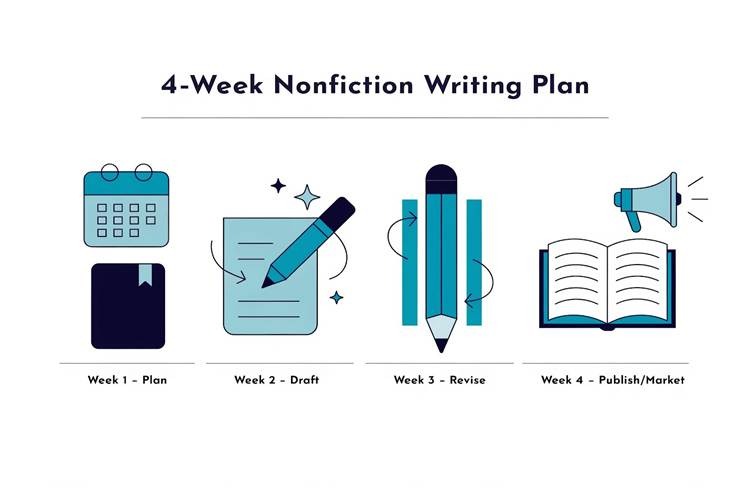
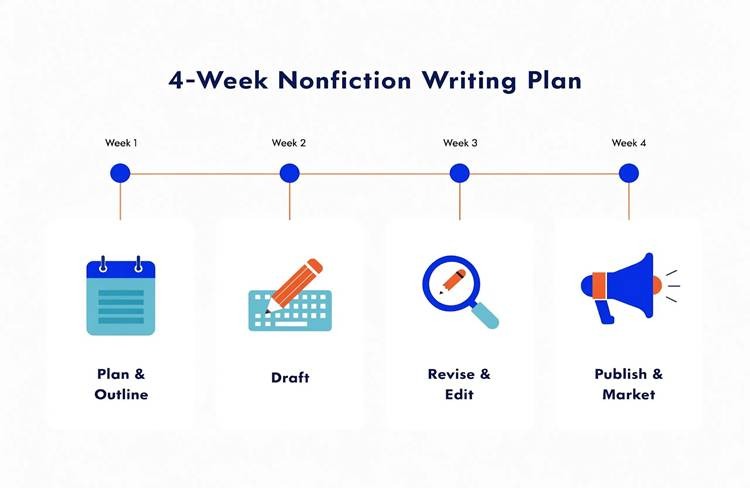
To complete a nonfiction book in four weeks, structure your time and work in repeatable stages: plan, draft, and revise. Each stage has specific aims—define your message, produce the first full draft, then refine the prose and structure. Use deadlines and simple tools to keep progress visible and prevent scope creep. With a clear process and focused blocks of time, you can stay on track and finish on schedule.
Many aspiring authors begin their writing journey with a clear publishing goal in mind. Whether you plan to self-publish or share your work through Prizm Books, following a structured writing process can help you move from idea to completed manuscript more efficiently.
How to Plan Your Story Structure for Nonfiction Writing
Planning your structure is the foundation of efficient nonfiction writing. This phase names the elements that will hold your book together and guide readers through your ideas. Core elements include:
● Clear objectives: Decide the central message you want readers to take away.
● Major themes: Identify the recurring ideas that will thread through chapters.
● Supporting evidence: Collect facts, examples, and anecdotes that back up your claims and illustrate key points.
A clear structure not only speeds writing but makes your argument more persuasive and accessible to readers.
A strong structure not only makes writing easier but also creates a better reading experience. Authors who publish through Prizm Books often find that well-organized manuscripts are easier to edit, market, and present to their target audience.
What Is the Ideal Writing Schedule for Nonfiction Authors?
Establish a consistent schedule that matches your energy and commitments. The most effective routines combine focused writing periods with flexibility to respond to real-life demands. Use concrete practices like:
● Daily writing goals: Pick a realistic word count to hit each day.
● Structured writing blocks: Reserve uninterrupted time for writing—early morning or late evening, whatever fits your rhythm.
● Built-in flexibility: Plan buffer days for catch-up or research so small setbacks don’t derail the whole month.
This disciplined-but-flexible approach keeps momentum while allowing you to adjust as needed.
How to Outline Your Nonfiction Book Effectively?
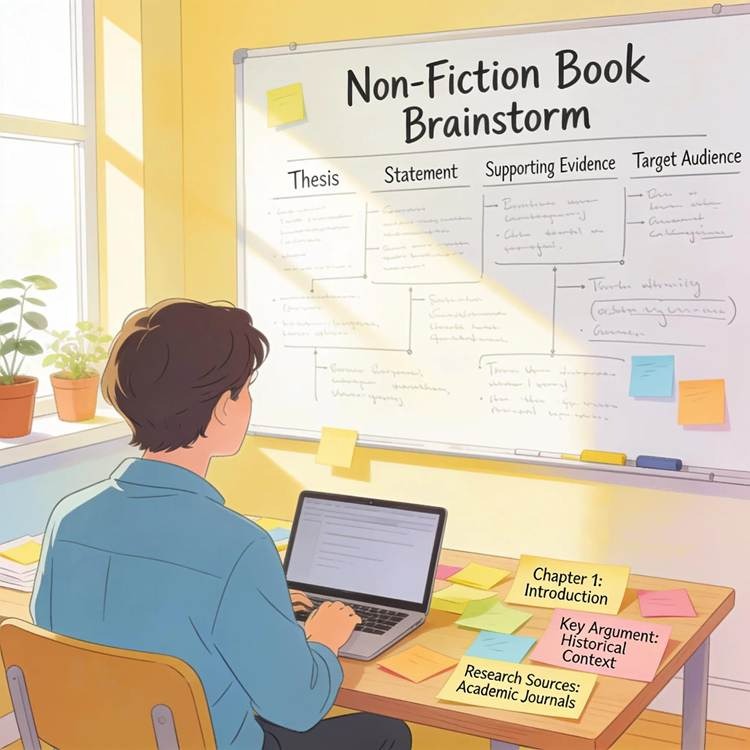
A usable outline is your roadmap: it organizes research, prioritizes chapters, and speeds drafting. A practical outline balances structure with room to discover better phrasing as you write.
What Are Best Techniques to Create a Nonfiction Outline?
Try this sequence to build an effective outline:
● Free writing: Start by dumping ideas, anecdotes, and insights without judging quality.
● Categorization: Group related ideas into sections or chapter-level buckets.
● Hierarchical structuring: Arrange main ideas first, then list supporting points and examples under each heading.
These steps produce an adaptable framework that guides your draft without locking you into details too early.
How to Balance Research and Writing During Outlining?
Keep research targeted so it informs the outline without stalling progress. Practical tips include:
● Organize research notes: Use folders, tagged documents, or a simple spreadsheet so sources are easy to find.
● Integrate research into the outline: Add citations and examples to the relevant outline sections rather than chasing every rabbit hole.
● Keep your message central: Only include research that advances your main argument or illustrates a key point.
Focused research integrated into your outline will make drafting faster and keep the manuscript coherent.
How to Stay Motivated and Productive Throughout the Four-Week Writing Plan?
Intense writing schedules require a plan for motivation and energy management. Use small rituals and clear signals of progress to keep momentum when enthusiasm dips.
Consistency is often the difference between an unfinished idea and a completed book. As many authors on Prizm Books have discovered, maintaining steady progress each week is one of the most effective ways to reach publication goals without feeling overwhelmed.
Which Psychological Motivation Strategies Help Writers Persevere?
Proven techniques to sustain focus include:
● Visualization of success: Spend a few minutes picturing the finished book and its impact.
● Positive affirmations: Use short, realistic reminders of your capability and progress.
● Understand writer’s block: Know common triggers—fatigue, perfectionism, distractions—and use specific countermeasures like timed freewrites or short breaks.
These practices help you manage setbacks and maintain steady forward motion.
How to Use Tools and Templates to Enhance Author Productivity?
The right tools reduce friction so you spend more time writing and less time organizing. Consider:
● Writing software: Tools like Scrivener or Word help structure chapters and compile drafts.
● Template examples: Start with chapter templates or book-mapping sheets to avoid blank-page paralysis.
● Task management apps: Trello, Asana, or a simple calendar keep goals visible and deadlines realistic.
Choose tools that match your workflow and keep your process simple.
Before submitting a manuscript for publication, it’s important to ensure that every chapter communicates its message clearly. Taking time to revise and refine your work can improve both reader engagement and publishing readiness, whether you’re preparing for Prizm Books or another publishing platform.
What Are the Best Editing and Polishing Practices for Your Manuscript?
Editing is where clarity and authority emerge. Approach revisions in focused passes that target structure, flow, and sentence-level polish separately.
How to Approach Manuscript Draft Revisions Step-by-Step?
A practical revision sequence looks like this:
● Initial read-through: Assess structure, pacing, and whether the thesis holds across chapters.
● Identify problem areas: Flag sections that confuse readers, repeat ideas, or lack support.
● Seek feedback: Share chapters with trusted peers or a writing group for targeted critique.
Iterative revisions based on clear goals produce a cleaner, more persuasive manuscript.
What Editing Tools and Techniques Improve Nonfiction Quality?

Combine automated tools with human readers for the best results:
● Grammar checkers: Grammarly and similar tools catch errors and suggest clarity improvements.
● Structural editors: Software and checklists that focus on argument flow help you spot large-scale issues.
● Professional editing services: An experienced editor can refine voice, coherence, and market-readiness.
Blending technical checks with substantive feedback ensures a polished final draft.
Completing the first draft is a major milestone, but successful authors know that publication requires careful preparation. Prizm Books provides writers with an opportunity to share their stories with readers, making it worthwhile to invest time in polishing and positioning your manuscript effectively.
How to Prepare Your Nonfiction Story for Publishing and Marketing?
Publishing requires planning beyond the manuscript: choose the right route, polish presentation, and prepare a launch strategy that reaches your readers.
What Are the Essential Publishing Steps After Writing?
After revising your draft, prioritize these next steps:
● Choose your publishing path: Compare self-publishing, traditional publishing, and hybrid models to match your goals.
● Editing and formatting: Ensure professional copyediting and interior layout appropriate for your chosen format.
● Cover design essentials: Invest in a cover that communicates the book’s promise and stands out in its category.
Strong execution on these fronts markedly improves your chances of reaching readers.
How Can Authors Market Their Nonfiction Books Successfully?
Effective marketing starts long before launch. Focus on building an audience and clear promotional channels:
● Leverage social media: Share useful excerpts, insights, and behind-the-scenes content that attract your target readers.
● Email marketing: Grow a list to announce progress, release dates, and exclusive previews.
● Build an author platform: Create a central hub—website or blog—where readers can learn about your work and sign up for updates.
Consistent, relevant outreach will increase visibility and build momentum for your book’s release.
Frequently Asked Questions
What is the best way to gather research for writing a nonfiction book?
Begin with reliable sources: academic journals, well-regarded books, interviews with experts, and reputable websites. Use library databases and citation tools to track sources. Organize notes by topic and tag quotes or data with their source so you can reference them quickly while drafting. Joining relevant forums or professional groups can also surface useful perspectives and contacts for interviews.
How can I structure my writing sessions for maximum productivity?
Create a routine that matches your peak energy. Block time on your calendar for focused writing, remove distractions, and set a clear word or section goal for each session. Techniques like the Pomodoro (25 minutes of work followed by a short break) help maintain focus. Track progress and adjust your schedule weekly so goals stay realistic and motivating.
How can I handle writer’s block when writing my nonfiction story?
Identify common triggers—fatigue, perfectionism, or lack of clarity—and counter them with targeted tactics. Try brief freewriting exercises to restart momentum, change your environment, or work on a different section to keep forward motion. Break large tasks into smaller, achievable steps and allow imperfect drafts; you can always refine them later.
What are some tips for effective self-editing before seeking external feedback?
Start by reviewing structure: confirm each chapter supports your main thesis and transitions logically. Read sections aloud to catch awkward phrasing and rhythm problems. Remove filler and tighten sentences for clarity. Use grammar tools for surface issues, but focus your energy on coherence and argument strength before sending the manuscript to others.
What publishing options should authors consider for their nonfiction books?
Compare traditional publishing, self-publishing, and hybrid models. Traditional routes can offer distribution and editorial support but often involve longer timelines and gatekeepers. Self-publishing gives you control over timelines, pricing, and design but requires more marketing effort. Hybrid publishing combines elements of both—evaluate costs, services offered, and how each path aligns with your goals.
What role does networking play in promoting a nonfiction book?
Networking is essential. Relationships with other authors, influencers, and industry professionals open doors for endorsements, interviews, and cross-promotion. Attend events, participate in online communities, and cultivate genuine connections—these efforts amplify your reach and lend credibility to your book’s launch.
Conclusion
Ready to turn your nonfiction manuscript into a published book? Prizm Books makes it easier for authors to share their knowledge, experiences, and stories with readers worldwide. Whether you’re finishing your first nonfiction project or adding another title to your portfolio, Prizm Books provides a platform to help bring your work to life. Explore Prizm Books today and take the next step toward becoming a published author.


