
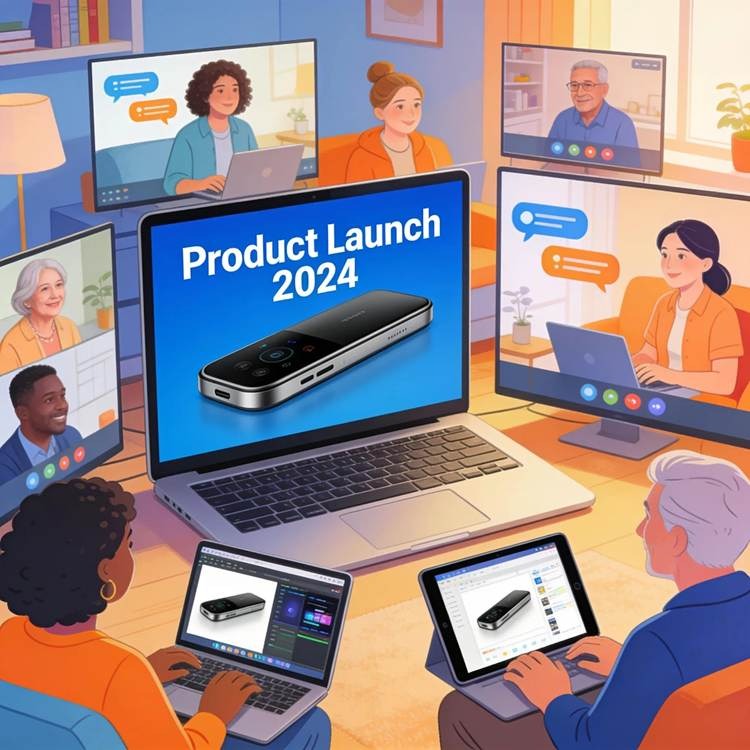
Digital events have reshaped marketing, and virtual launch events are now a core tactic for getting new products or services in front of your audience. Online launches remove geographic limits and let you present directly to customers, partners, and press. This guide walks you through planning, hosting, promoting, and analyzing a virtual launch so you can drive engagement and measurable results — from clarifying your event goal to picking the right platform and following up with data-driven decisions.
Key Takeaways
● Virtual launch events expand audience reach and reduce costs compared to traditional in-person launches.
● Successful virtual launches require clear objectives, detailed timelines, and a well-organized team with defined roles.
● Choosing the right virtual event software depends on audience size, interactivity needs, and integration capabilities.
● Stable internet, quality audio/video equipment, and backup systems are essential for smooth virtual event hosting.
● Effective promotion uses social media, email marketing, and pre-event webinars to maximize registrations and attendance.
● Interactive features like live polls, Q&A sessions, and gamification increase real-time audience engagement during virtual launches.
● Pre-event rehearsals and dedicated technical support ensure professional execution and minimize live event issues.
● Post-launch analysis of engagement metrics and attendee feedback guides improvements for future virtual events.
● Follow-up marketing with emails, social media, and on-demand content sustains momentum and drives conversions.
What Are Virtual Launch Events and Why Are They Important?
A virtual launch event is an online gathering designed to introduce a product, service, or campaign to your audience. These events have become essential because they expand reach, reduce costs, and enable live interaction without the constraints of a physical venue. The pandemic accelerated adoption, but even now virtual launches remain a powerful way to deliver your message and connect with users in real time.
As people’s habits shift toward online experiences, virtual launches offer clear advantages: they’re cost-effective, provide immediate feedback, and let you layer multimedia to make your message more compelling. When planned well, virtual events can match or even amplify the impact of in-person launches.
How Has the Rise of Virtual Events Shaped Product Launch Strategies?
The move to virtual formats has forced brands to rethink how they plan launches. Teams now prioritize digital touchpoints that support instant interaction and quick feedback loops. Live streaming tools, integrated chat, polls, and other interactive features let you collect audience input and keep attention high. Companies that adapt these practices often see higher attendance and deeper engagement than at comparable in-person events.
What Are the Key Benefits of Hosting a Virtual Launch Event?
Hosting a virtual launch delivers several practical benefits, such as:
● Cost Efficiency: You save on venue, travel, and on-site production, freeing budget for promotion and creative elements.
● Wider Audience Reach: Online events let you attract attendees across regions and time zones, increasing potential customer exposure.
● Enhanced Metrics: Virtual platforms give you detailed analytics that reveal how attendees engaged during the event.
These analytics allow real-time tracking of behavior and engagement, which you can use to optimize follow-up and future launches.
Those advantages are why many teams now prioritize virtual components in their launch playbooks.
How Do You Plan a Successful Virtual Launch Event?
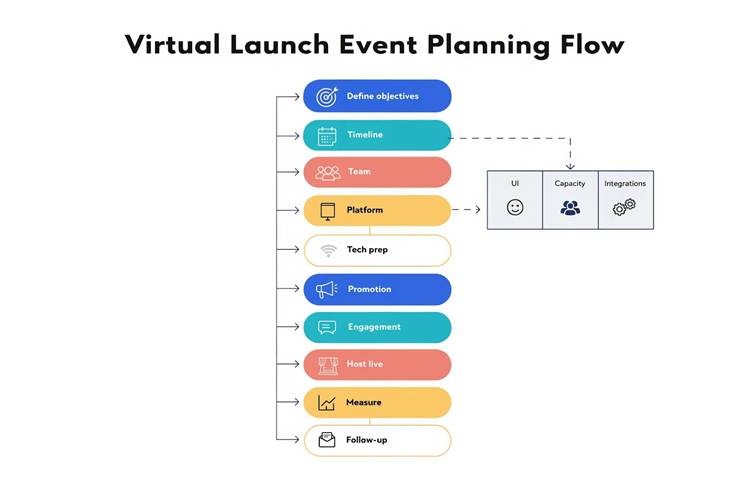
Successful virtual launches follow a sequence of deliberate steps. Each phase reduces risk and improves the attendee experience.
What Are the Essential Steps in the Virtual Launch Event Planning Process?
● Define Objectives: Set measurable goals — brand awareness, trial sign-ups, lead generation, or direct sales — so every decision supports the outcome you want.
● Create a Timeline: Build a detailed schedule that maps content creation, tech checks, promotions, and rehearsals leading up to the event.
● Select Your Team: Put together a team with clear roles so marketing, production, and technical tasks are covered and accountable.
Working through these steps gives you the structure to execute a reliable, polished launch.
How Can You Organize Your Planning Team and Define Roles?
A compact, well-defined team prevents confusion and keeps the project moving. Typical roles include:
● Project Manager: Coordinates the timeline, stakeholders, and deliverables.
● Marketing Coordinator: Drives promotion, registrations, and audience communications.
● Technical Support: Tests the platform, manages streams, and troubleshoots live issues.
Clarify responsibilities early, run through checklists, and hold regular status calls so everyone understands their part.
Which Virtual Event Software Platforms Are Best for Your Launch?
Platform choice affects attendee experience, interactivity, and analytics. Below is a practical comparison of three common options, each suited to different needs.
How to Compare Key Features of Zoom, Hopin, and Microsoft Teams?
When evaluating software, focus on interface, capacity, and integrations:
| Platform | User Interface | Capacity | Integration Capabilities |
| Zoom | Intuitive | Up to 1,000 | API integrations available |
| Hopin | Customizable | Unlimited | Multiple software options |
| Microsoft Teams | Familiar interface | Up to 10,000 | Integrated with Microsoft |
Match your platform to the size of your audience, the level of interactivity you want, and the systems you already use for marketing and CRM.
What Technical Requirements Ensure Smooth Virtual Event Hosting?
To avoid interruptions, make sure you have:
● Stable Internet Connection: Sufficient upload bandwidth for hosts and presenters to prevent lag.
● Quality Equipment: Clear audio, sharp video, and proper lighting make your production feel professional.
● Backup Systems: Prepare fallbacks for streaming, presenters, and connectivity so you can recover quickly from failures.
Planning for these basics reduces risk and keeps attention on your content.
How Can You Promote Your Virtual Launch Event Effectively?
Promotion determines turnout. Use coordinated outreach to cut through the online noise and reach the right people.
A successful launch doesn’t end when registrations begin. Creating a dedicated space where attendees can continue discussing your book, leave reviews, and connect with other readers helps extend the impact of your event long after it concludes. Platforms like Prizm Books can support these ongoing conversations by giving readers a place to discover, review, and engage with books beyond launch day.
What Are the Most Effective Online Channels to Promote Virtual Events?
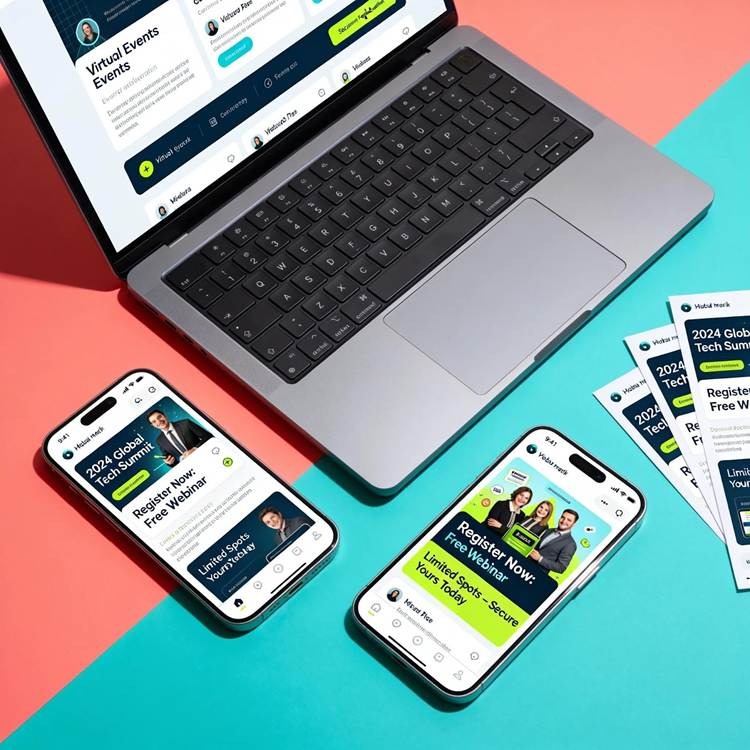
High-impact channels include:
● Social Media Platforms: Targeted ads and organic posts on Facebook, Instagram, LinkedIn, and X help you reach specific segments.
● Email Marketing: Personalized invites, reminder sequences, and segmented campaigns lift registration and attendance.
● Webinars and Pre-Events: Short preview sessions or Q&As build interest and give people a reason to register.
Using a mix of these channels — with consistent messaging and clear CTAs — improves reach and conversions.
How Do You Craft Engaging Virtual Launch Party Ideas to Attract Attendees?
To make your launch memorable, try these formats:
● Theme-based Events: A cohesive theme gives the experience shape and makes promotion easier.
● Interactive Features: Live polls, breakout rooms, and raffles encourage participation and sustained attention.
● Influencer Collaborations: Invite trusted voices to amplify reach and lend credibility.
Choose ideas that align with your brand and audience expectations to maximize impact.
How Do You Host and Engage Your Audience During the Virtual Launch?
How you run the live session drives real-time engagement and impressions of your brand.
Audience engagement shouldn’t stop when the livestream ends. Encouraging attendees to share their thoughts, post reviews, and join book discussions can help transform a one-time event into an active reader community. Authors who create opportunities for ongoing interaction often see stronger reader loyalty and greater word-of-mouth visibility.
What Strategies Boost Real-Time Interaction and Audience Participation?
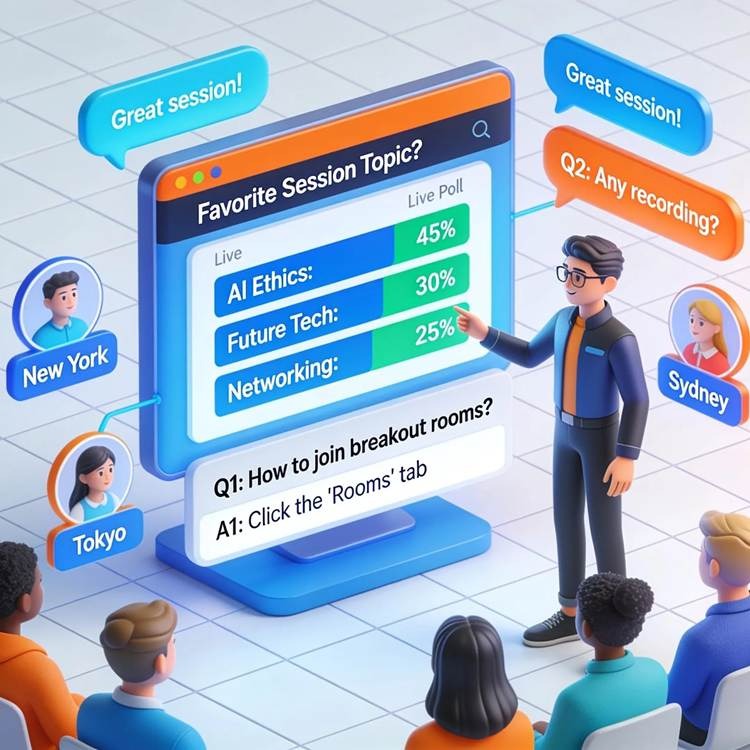
Use these tactics to keep attendees active:
● Live Polls and Surveys: Quick polls during the event encourage responses and give you instant feedback.
● Q&A Sessions: Live questions let attendees connect directly with hosts and presenters.
● Gamification: Simple contests or point systems with prizes increase interaction and retention.
Mix formats to maintain energy and make participation feel rewarding.
How to Manage Presenters and Technical Aspects During the Live Event?
Run-of-show discipline keeps the event professional:
● Pre-Event Rehearsals: Walk through every segment with presenters to test timing, cues, and tech.
● On-Site Technical Support: Have a dedicated tech team on hand to resolve any issues in real time.
● Clear Communication: Use backchannels and call sheets so presenters know when to join, mute, and share screens.
Detailed run-of-show documents and a practiced team will minimize surprises on launch day.
What Are the Best Practices for Post-Launch Follow-Up and Analytics?
Post-event work converts momentum into measurable value. Analyze results and keep the conversation going.
How Do You Measure the Success of Your Virtual Launch Event?
Track a mix of qualitative and quantitative metrics, such as:
● Engagement Rates: Measures like average watch time, chat activity, and poll participation show how involved attendees were.
● Attendance Metrics: Compare registrations to live attendees and drop-off patterns to evaluate interest and timing.
● Post-Event Feedback: Surveys and NPS-style questions reveal attendee perceptions and improvement areas.
These insights guide future content, timing, and promotional tactics.
What Are Effective Post-Event Marketing and Follow-Up Tactics?
Keep the momentum by:
● Email Follow-Ups: Send thank-yous, key takeaways, and links to recordings to re-engage attendees.
● Social Media Re-Engagement: Share highlights, clips, and testimonials to extend reach and spark conversations.
● Recordings and Materials: Provide on-demand access and supplementary assets for people who couldn’t attend live.
Follow-up sequences tailored to attendee behavior will help turn interest into action.
Frequently Asked Questions
What are the costs associated with hosting a virtual launch event?
Virtual launch costs vary, but they’re typically lower than in-person events. Budget items include platform subscriptions, creative and production expenses, targeted marketing spend, and any speaker or talent fees. You may also consider costs for giveaway items, upgraded streaming gear, or hiring technical support. Align your budget to the goals you set so every expense supports measurable outcomes.
How can I ensure my virtual launch event is accessible to all audiences?
Make accessibility a priority: offer live captions or subtitles, follow WCAG best practices for on-screen materials, and test content with assistive technologies. Providing translated materials or multilingual captions can broaden reach. Clear instructions and multiple contact options help attendees who need special accommodations.
How can I prevent technical issues during the event?
Prevent problems by rehearsing with every presenter, running full technical checks on the chosen platform, and having a tech support plan in place. Use reliable hardware, stable internet connections, and redundant systems where possible. A practiced run-through catches most issues before they affect the live audience.
What role does audience engagement play in a virtual launch event?
Engagement is central to success: interactive elements keep attention, increase retention, and drive downstream actions like sharing or conversions. Polls, live Q&A, chat, and gamified features help build community and make attendees feel involved rather than passive viewers.
What are some common mistakes to avoid when planning a virtual launch event?
Common pitfalls include underplanning, neglecting promotion, and failing to assign clear roles. Overlooking technical rehearsals or audience experience details can undermine even great content. Plan early, test thoroughly, and build a promotional cadence to avoid low turnout and execution hiccups.
How can I gather feedback from attendees after the event?
Send a concise post-event survey soon after the event while impressions are fresh. Ask about content value, technical experience, and suggestions for improvement. Follow up on social channels and encourage attendees to share highlights or testimonials. Use the combined feedback to refine your next launch.
Conclusion
A virtual launch event can generate awareness, excitement, and early sales, but lasting success comes from maintaining reader engagement after the event ends. Encouraging attendees to leave reviews, join discussions, and share recommendations helps keep momentum alive long after launch day.
Platforms like Prizm Books make it easier for authors to continue those conversations by connecting readers through reviews, recommendations, and community engagement. Whether you’re launching your first book or expanding an established audience, building a space where readers can interact with your work can help transform a successful launch into lasting visibility and growth.


