
Social media has reshaped how readers find books, turning discovery into a visual, community-driven experience. Platforms like TikTok and Instagram don’t just surface titles — they create conversations, tastes, and shared moments around stories. This piece looks at how those platforms influence what we read, how communities form around books, and what this means for authors and publishers. Focusing on trends from spaces like BookTok and Bookstagram, we explore visibility, viral sales, and how reader behavior is evolving in a social-first landscape.
Key Takeaways
● Platforms such as TikTok and Instagram have turned book discovery into a visual and interactive process that reaches broad audiences.
● Algorithms prioritize content based on engagement, giving certain authors and titles targeted visibility they wouldn’t get through traditional channels.
● Communities on BookTok and Bookstagram drive engagement through shared challenges, recommendations, and sustained conversations.
● Influencer-driven content on BookTok can trigger sharp spikes in sales when a book goes viral.
● Instagram’s visual storytelling — from curated shelves to styled covers — plays a major role in shaping reader preferences.
● Effective influencer strategies emphasize authentic, relatable content to connect authors with potential readers.
● Algorithms tend to amplify trending books by promoting content aligned with user interests and past engagement.
● Data from 2023 points to an increase in people relying on social platforms for book recommendations and buying decisions.
● Ongoing algorithm changes and new social features will likely make book discovery more personalized and discoverable.
What Is the Role of Social Media Platforms in Book Discovery?
Social platforms have become central to how readers discover titles, upending traditional promotion and book-browsing habits. They offer spaces where readers share opinions, celebrate favorites, and recommend new reads—often in formats that emphasize immediacy and personality. Algorithms amplify posts that spark engagement, meaning a single clip or photo can introduce a book to thousands of new readers. For authors and publishers, social media functions less as an add-on and more as a primary channel for shaping readership and trends.
How Do TikTok and Instagram Influence Reading Choices?
TikTok and Instagram shape what people read through visually engaging formats and trending tags. On TikTok, hashtags like #BookTok, #RomanceReads, and #ReadWithMe help users surface titles that fit current trends. Short-form video allows creators to combine reaction, review, and recommendation in ways that feel immediate and persuasive, often prompting rapid sales increases. On Instagram, carefully styled posts and reels invite readers to imagine books as part of a lifestyle — making aesthetics a real factor in discovery.
What Communities Drive Book Engagement on Social Media?

Niche communities on BookTok and Bookstagram are often the engine behind emerging trends. These groups host read-alongs, themed challenges, and long-form discussions that deepen engagement and create buzz. When a community adopts a title, that collective attention can lift a book into broader visibility — sometimes reviving older works or launching debut authors into bestseller lists. The cultural momentum built in these spaces frequently outpaces traditional marketing cycles.
How Reader Communities Influence Modern Book Discovery
While social media platforms generate visibility, dedicated reading communities often turn interest into long-term engagement. Readers increasingly rely on peer recommendations, reviews, ratings, and discussion groups when deciding what to read next.
Platforms like Prizm Books bring these discovery elements together by allowing readers to share reviews, build reading lists, and connect with others who have similar interests. These community-driven recommendations help readers uncover books that may never appear in trending social feeds while giving authors another channel to reach engaged audiences.
How Does BookTok Impact Viral Book Sales in 2023?
In 2023, BookTok’s influence on sales became unmistakable: a single viral clip can send a book’s backlist soaring and turn underrated titles into overnight sensations. The platform’s combination of peer recommendation and creative storytelling gives readers reasons to buy now, often resulting in supply chain and stock shortages when demand spikes. Publishers now track social momentum as part of campaign planning and inventory strategy.
Which Books Have Experienced Significant Sales Increases from BookTok?
Numerous titles have seen sharp sales increases after trending on BookTok. Often, books that touch on timely themes or evoke strong emotional responses perform especially well. Influencer reviews and immersive videos make it easy for viewers to connect with a book’s voice or premise, turning curiosity into purchases and propelling certain titles into mainstream attention.
What Viral Marketing Strategies Do BookTok Influencers Use?
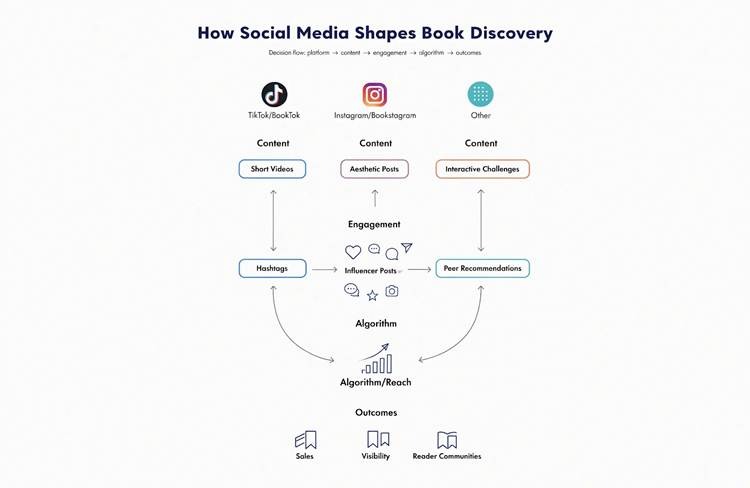
BookTok creators rely on a mix of tactics: participating in trending challenges, pairing clips with catchy sounds, staging quick emotional reactions, and weaving mini-narratives that spotlight a book’s tone or themes. These formats emphasize authenticity and entertainment value, encouraging viewers to share and seek out titles themselves — a powerful form of word-of-mouth in digital form.
What Are the Latest Bookstagram Trends Influencing Aesthetic Book Discovery?

Bookstagram continues to champion visual curation: themed flat-lays, color-coordinated shelves, and mood-driven photography all help books stand out in a crowded feed. These posts create an aspirational context around reading, encouraging followers to buy books that match a particular aesthetic or mood. Good photography and design can make a title feel like an experience, not just a product.
How Does Visual Content Shape Reader Preferences on Instagram?
Instagram’s visual emphasis means presentation matters. Elements such as color, composition, and props can draw attention to a title and suggest the tone or genre before a reader ever opens the book. Psychology around aesthetics plays a role: users are likelier to explore and remember books presented in striking, cohesive visuals — which can translate into stronger discovery and higher engagement.
What Are Popular Themes and Styles in Bookstagram Communities?
Bookstagram themes tend to cluster around genres and moods: cozy reads, moody thrillers, pastel romance, and epic fantasy setups recur frequently. Hashtags and series-specific aesthetics help users find like-minded readers and discover niche titles. These visual identities give readers a sense of belonging and make it easier for books that fit a style to gain traction within those circles.
How Do Influencer Marketing Strategies Shape Book Promotion on Social Media?
Influencer marketing has evolved from sponsored posts to strategic storytelling that builds trust and context around a book. Successful campaigns blend genuine enthusiasm with creative formats that feel native to each platform, helping books reach both dedicated followers and casual viewers. The best influencer partnerships foreground authenticity, making promotional content feel like a trusted recommendation instead of an ad.
What Roles Do Authors and Influencers Play in Social Media Book Campaigns?

Authors and influencers often work together to create layered campaigns: authors share context, excerpts, and behind-the-scenes insights while influencers translate those elements into formats that resonate with their audiences. This collaboration combines narrative authority with social reach, producing content that feels both intimate and widely discoverable.
Beyond Algorithms: The Growing Role of Reader-Led Discovery
Social media algorithms determine which books gain visibility, but reader-driven recommendations often have a longer-lasting impact. While viral trends can create short-term attention, authentic reviews and ongoing discussions help books maintain relevance long after a trend fades.
Platforms such as Prizm Books support this type of discovery by encouraging readers to review books, share recommendations, and participate in literary discussions. These interactions create a discovery ecosystem where books are surfaced because of genuine reader interest rather than solely algorithmic promotion.
How Do Social Media Algorithms Affect Book Recommendations?
Algorithms determine visibility by weighing engagement signals — likes, comments, shares, and watch time — so content that sparks interaction gets prioritized. That means a book recommendation that resonates can snowball quickly, becoming more visible to users with similar tastes. In practice, algorithms create feedback loops that can either amplify niche hits or concentrate attention on a few viral titles.
What Case Studies and Statistics Demonstrate Social Media’s Effectiveness in Book Discovery?
To understand social media’s real impact, look to campaign case studies and sales data showing sudden, platform-driven demand. Well-executed social campaigns often produce measurable uplifts in searches, preorders, and retail sell-through, demonstrating that online engagement can and does translate into concrete market results.
Which Viral Campaigns Led to Notable Book Sales Growth?
Several viral campaigns have driven dramatic sales spikes, from backlist revivals to breakout debuts. These successes usually combine a strong community push, memorable creative content, and timing that aligns with cultural interest. When the right mix occurs, social momentum can eclipse traditional publicity efforts.
What Recent 2023 Statistics Highlight Social Media’s Influence on Book Sales?
2023 data points to rising reliance on social platforms for discovery: a growing share of readers say they find new books through TikTok and Instagram, and publishers increasingly monitor social trends as part of demand forecasting. These patterns signal that social buzz is now a key indicator of market potential.
How Will Future Social Media Trends and Algorithms Shape Book Discovery?
Looking ahead, algorithm refinements and new features will likely make discovery more personalized and interactive. Expect more AI-driven recommendations, improved in-platform shopping, and features that help niche communities surface relevant titles faster. Publishers and authors who stay adaptable will benefit from these shifts.
What Emerging Social Media Features Could Impact Book Discovery?
New features like enhanced search, shoppable posts, and interactive formats (live events, guided reading experiences, or collaborative lists) can make it easier for readers to find and buy books within the platforms they already use. These tools will deepen the direct link between discovery and purchase.
How Can Publishers Adapt to Evolving Social Media Algorithms?
Publishers can respond by prioritizing engagement-driven creative, cultivating community relationships, and monitoring social signals to time promotions and inventory. Emphasizing authentic creator partnerships and flexible campaign strategies will help titles remain visible as platforms evolve.
Frequently Asked Questions
1. How do social media platforms affect the way readers perceive new authors?
Social platforms let readers encounter authors in human, relatable ways — through short videos, candid posts, and conversations about craft. That visibility helps readers form impressions quickly: authenticity, personality, and consistent engagement build trust, making it easier for new authors to attract early fans and momentum.
2. What role does user-generated content play in book discovery?
User-generated content is a cornerstone of modern book discovery because it feels trustworthy and lived-in. Reviews, reaction videos, and personal recommendations carry social proof that often outperforms paid messaging. When readers see peers excited about a book, they’re more likely to explore it themselves.
3. How can authors effectively leverage hashtags on social media?
Authors should use a mix of broad, discoverable hashtags (like #BookTok or #Bookstagram) and niche tags tied to genre or themes. Engaging with existing hashtag communities and creating a unique campaign hashtag can increase reach and make it easier for readers to follow conversations around a title.
4. In what ways can visual storytelling enhance book marketing?
Visual storytelling turns a book into an immersive idea: cover reveals, mood boards, styled photos, and short clips communicate tone and promise. These elements capture attention quickly and help potential readers imagine how the book fits into their interests or routines.
5. What are some challenges authors face with social media marketing?
Authors often struggle with the need for consistent content, rapidly changing platform algorithms, and standing out amid abundant posts. Balancing time spent on promotion with the work of writing and maintaining authenticity are ongoing challenges many creators face.
6. How have reading habits changed due to social media influence?
Reading habits have grown more trend-driven and communal. Social media encourages faster discovery and impulse buying, but it also fosters communities that read and discuss together, making reading a more social activity than in the past.
7. Can social media help in building an author’s brand?
Absolutely. Regular, authentic engagement on social platforms helps authors shape their public voice, showcase their process, and connect with readers. Over time, these interactions build a recognizable brand that attracts loyal followers and amplifies future releases.
Conclusion
Social media has transformed book discovery by making recommendations more visual, interactive, and community-driven. Platforms like BookTok and Bookstagram can introduce readers to new titles at unprecedented speed, while dedicated reading communities help sustain engagement beyond viral trends.
As digital discovery continues to evolve, platforms such as Prizm Books are helping readers find books through trusted recommendations, reviews, and community conversations. Together, social media and reader-focused platforms are creating a more connected and personalized reading experience that benefits readers, authors, and publishers alike.


